
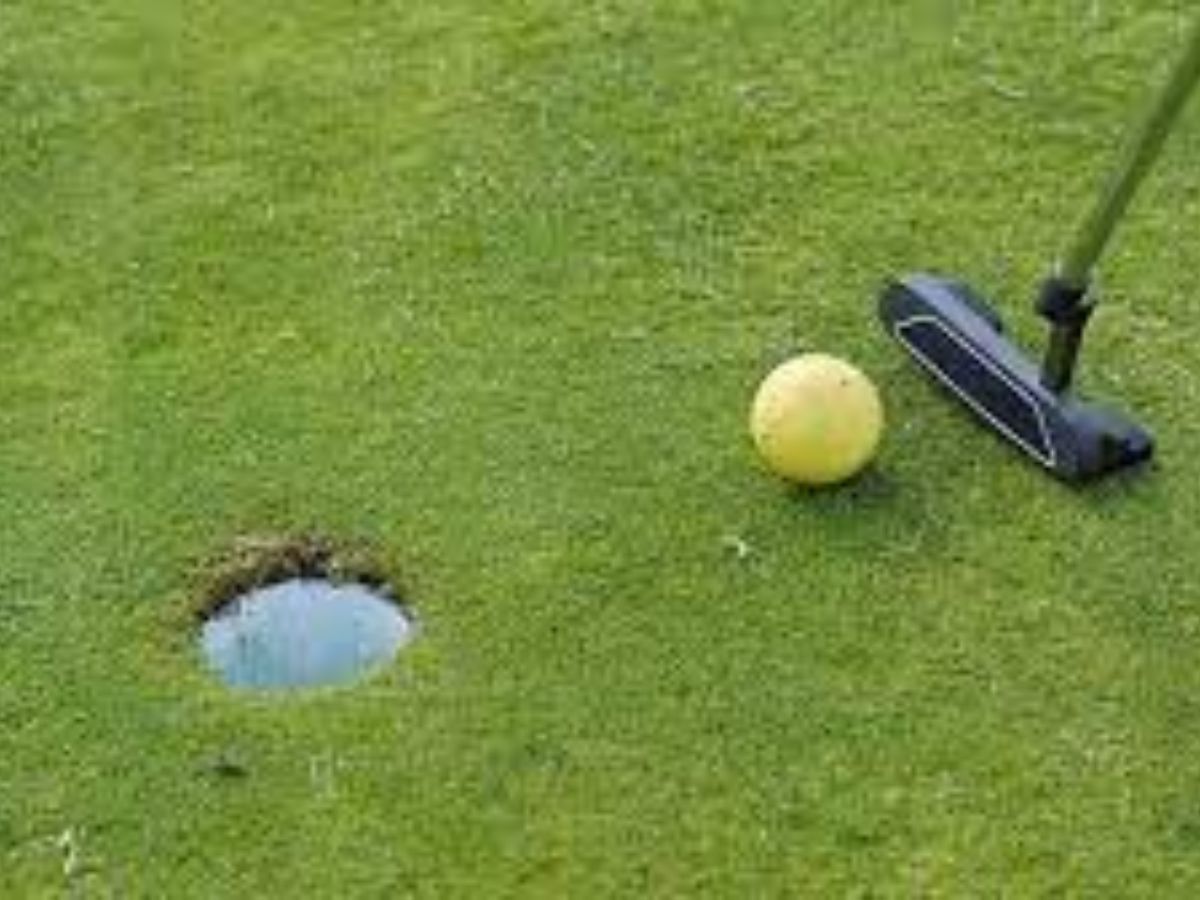
In golf, “in the hole” means that the golf ball has successfully been sunk into the cup on the green. The term signifies that the player has completed the hole with the fewest number of strokes possible.

Golf is a popular sport enjoyed by millions around the world. In this game, players aim to hit a small ball into a series of holes on a course using the fewest number of strokes. Each hole has a designated starting point and a target, which is a small cup on the green.
When the ball is hit into the cup, it is considered “in the hole. ” This achievement is celebrated as it signifies the completion of the hole and brings the player closer to finishing the entire course. We will explore the meaning of “in the hole” in golf and its significance in the game.
What Is “In The Hole”?
“In the Hole” is a slang term often used in various contexts. It is typically used to describe a situation where something or someone is buried or hidden underground. The term can have different meanings depending on the context in which it is used.
For example, in golf, “in the hole” refers to a golf ball that has been successfully sunk into the cup. However, in construction, the term may be used to indicate that something has been buried or inserted deeply into the ground.
The origin and history of the term are not well-documented, but it has been in use for quite some time. Overall, the term “in the hole” is a versatile expression that is used in different fields with different meanings.
How Is “In The Hole” Used In Golf?
How “In the Hole” is used in golf determines scoring, emphasizing the importance of sinking the ball in the hole. Players say “In the Hole” during a golf game to celebrate a successful shot. Scoring in golf requires getting the ball into the hole in as few strokes as possible.
When a player successfully gets the ball in the hole with a single stroke, often with a putt, the phrase “In the Hole” is exclaimed by players or spectators to show excitement and appreciation for the shot. This term is commonly used on the putting green, highlighting the skill and precision required to sink the ball into the hole.
Whether it’s a long drive or a delicate putt, the ultimate goal in golf is to hear those words, “In the Hole. “
Strategies For Getting “In The Hole”
Getting “in the hole” in golf requires strategic techniques and accurate putting skills. To improve accuracy, it’s important to read the green, judging the distance and the slope it presents. By understanding these factors, you can make more precise calculations when lining up your shot.
Practicing your putting skills is another crucial aspect. Through consistent practice, you can perfect your technique, developing a smooth and consistent stroke. This will help you control the speed and direction of the ball, increasing your chances of sinking it in the hole.
Remember to focus on maintaining a steady rhythm and keeping your body still during the putt. With dedication and focused practice, you can master the art of getting “in the hole” and improve your overall golf game.
Common Misconceptions About “In The Hole”
Misconceptions about the usage of the term “in the hole” are quite common. People often misunderstand its proper meaning and context. It does not solely refer to physical holes but has various interpretations depending on the situation. In sports, it generally implies a low score or a difficult situation.
However, outside of sports, it can be used metaphorically to communicate being in a tight spot or facing a challenging circumstance. Furthermore, the term can have different meanings in different fields such as finance or military. It is important to be aware of these diverse interpretations to avoid potential misunderstandings when using the phrase “in the hole”.
By understanding its context, we can utilize the term accurately and effectively in our conversations and written communications.
Famous Moments Involving “In The Hole”
Famous moments involving “In the Hole” have left a lasting impression in the world of golf. Iconic golf shots resulting in the ball going in the hole have provided unforgettable memories for both players and spectators. These incredible shots have been met with memorable reactions and celebrations, showcasing the excitement and skill of the game.
Whether it’s a hole-in-one or a miraculous putt, these moments remind us why we love this sport. Players have demonstrated their talent and precision, captivating audiences with their impressive shots. Spectators have cheered in astonishment, witnessing the sheer mastery of the game.
These moments create a sense of unity and exhilaration, bringing people together in celebration of the remarkable feats achieved on the golf course.
“In The Hole” Etiquette And Protocol
Sportsmanship and respect should be prioritized when using the term “In the Hole. ” It is essential to adhere to etiquette and protocol in this matter. Understanding appropriate times to say “In the Hole” is crucial. By showing restraint and using it only when necessary, players can maintain a level of decorum on the field.
Using the term excessively may be seen as unsportsmanlike conduct and can disrupt the flow of the game. Therefore, it is advisable to use it sparingly and only during appropriate moments. Being mindful of these guidelines will contribute to a more respectful and enjoyable sports experience for all involved.
Frequently Asked Questions About “In The Hole”
Frequently asked questions about “In the Hole” include what happens if a ball doesn’t go in the hole and whether there are other phrases similar to “In the Hole” in golf. In golf, if a ball doesn’t go in the hole, players must endure the disappointment of a missed shot.
While “In the Hole” is a popular phrase in golf, other sports do have similar terms. For example, in basketball, commentators often exclaim “nothing but net” when a shot swishes through the hoop. These phrases add excitement and entertainment to the game.
So, while “In the Hole” is specific to golf, other sports have their own catchy expressions to celebrate successful shots.
Frequently Asked Questions For What Does In The Hole Mean
What Does “In The Hole” Mean In Golf?
“In the hole” is a golf term used to describe a situation when the ball is successfully putted into the cup. It is often cheered by both players and spectators as it denotes a successful shot that has reached its target.
What Does “In The Hole” Mean In Gambling?
In gambling, the phrase “in the hole” refers to a situation where someone is losing money or has a negative balance. It implies being in a financially undesirable position, similar to being in debt or having outstanding losses.
What Does “In The Hole” Mean In Military Terms?
In military terms, “in the hole” is slang for being in a dangerous or precarious situation. It typically indicates being in a position of vulnerability or facing imminent threat from the enemy.
What Does “In The Hole” Mean In Mining?
In mining, “in the hole” refers to a stage where drilling or excavation has reached the targeted depth or location. It signifies reaching the desired location for extraction or exploration within the earth’s surface.
Conclusion
Understanding the meaning of “in the hole” is essential for anyone interested in sports or gambling terminology. This phrase is commonly used in golf and refers to a ball being sunk into the cup. It can also be applied in other contexts, such as finance or military tactics.
Knowing the origin and usage of this phrase adds depth to our knowledge and allows us to better appreciate its significance. Whether you’re a golfer looking to improve your game or simply intrigued by linguistic expressions, “in the hole” holds a place of importance.
By delving into the history and different interpretations of this phrase, we gain a deeper understanding of its impact and relevance today. So, the next time you hear “in the hole,” you’ll have a greater appreciation for its nuanced meaning.
Baseball is a timeless sport that has been around for over a century. It is beloved by so many and is as much about the culture and traditions as it is about the skill and strategy. One of the many customs of baseball is the unwritten rules. These rules are not printed in the official rule book, but they are just as important as the official ones.
They are passed from generation to generation, like a code of conduct that players and fans alike should adhere to. These rules are based on a complex set of principles that recognize the spirit and etiquette of the game. They dictate how to show respect to teammates, opponents and even the umpire. They dictate when it is appropriate to take risks and when it is best to stay within the boundaries. They are the underlying foundation of the game and help keep it alive and thriving.
Respect Your Teammates
Respecting your teammates is paramount in baseball. With every team from the Toronto AL Central Chicago to the Louis NL West Arizona, and the Texas NL East to the San Diego Padres, the San Diego Bay Toronto Blue Jays to the Louis Cardinals St., Colorado Los Angeles to the Standings Youth, the New York Yankees Tampa Bay to the Cleveland Guardians Cleveland Detroit, Seattle Texas to the Detroit Kansas City Royals, Pittsburgh St.
Always Support Your Teammates
Engaging in a spirit of camaraderie and support is an essential component of team culture. From the New York Mets to the Philadelphia Phillies in the east, to the Los Angeles Dodgers and the San Francisco Giants in the west, even the standings of the youth baseball teams in Baltimore and Boston, teams must always support each other in order to succeed. This is one of the most important unwritten rules in baseball, and it is a key strategic component of any team’s success.
Every team member needs to be supportive of their teammates and to understand that there may be times where a productive out is more beneficial than going for a home run ball.
Show Respect During Games
Moving to the topic of showing respect during games, it is essential that players understand the importance of respecting their peers, coaches, and umpires. This includes refraining from arguing with umpires and understanding that their decisions are final. Players should also take the time to acknowledge their opponents’ accomplishments and milestones. As the baseballs unwritten rule book states, “No matter how the game is going, be gracious in victory and defeat.” This rule is especially true for back-to-back home runs, probable pitchers, third bas, and the many statcast leaders baseball savant can help identify. Even when an opposing team’s player such as Anthony Castrovinc hits a game-winning home run, players and fans should offer a polite salute.
Speak up when Necessary
The unwritten rules of baseball are a delicate balance of respect and support. With the right attitude and a few key phrases, team members can help each other accomplish a common goal. To speak up when necessary is an important part of speaking up for the team. Whether on the field or in the stands, team members must be aware of their surroundings and be willing to take the initiative and speak up when it matters.
When a player is trying to make a play or a team is in a tight spot, it is essential for the team to remain supportive and speak up when necessary.
Respect the Umpire
No matter the standings, youth or veteran, Baltimore to Boston, West to Houston, Mets to Phillies to Nationals, Rays to Marlins and all the way to LA Dodgers and NY Yankees, respect for the umpire is a chief strategic unwritten rule governing America’s favorite pastime. From productive outs to home run balls, home runs to center scores, American League Wild Card to back-to-back home runs, the umpire’s eye is always fixed on the next pitch. For those seeking the ultimate fan experience, SeatGeek has you covered with season tickets and tourism ticket terms.
Follow the Umpire’s Rules
Following one’s teammates is important, but it is also important to follow the umpire’s rules. During a game, every player must adhere to the umpire’s rulings so that the game can run smoothly. This includes understanding the umpire’s hand signals, following the designated strike zone, and playing within the boundaries of the field. SeatGeek Season Tickets are a great way to guarantee you a seat for the game so you can witness firsthand the umpire’s rulings and the back-to-back home runs that Fernando Tatis Jr. might hit. In addition, if you have a kid nearby, SeatGeek Sell can be used as a great way to get rid of your tickets in case you cannot make it to the game.
Respect the Umpire’s Decisions
Respecting the umpire’s decisions is essential to the game of baseball, even when you don’t agree with them. Umpires call the game from the field, making decisions on the spot, sometimes in the blink of an eye. To ensure the game is fair, players must accept the umpire’s ruling, regardless of their own opinion. It can be difficult to control emotions when a call goes against a team, but it is critical to the integrity of the game that players respect the umpire’s authority.
Additionally, it is important that players understand the rules and regulations established by the umpire. Following these can help avoid any uncomfortable confrontations between players and umpires. The players must also be aware of the appropriate etiquette for addressing the umpire.
Don’t Argue with the Umpire
The umpire is the ultimate authority on the field, and as a player it’s important to remember to show respect for their decisions. Arguing with the umpire is a surefire way to get ejected from the game, and it’s a behavior that should be avoided at all costs. It’s important to remember that the umpire is just doing their job, and they’re actually trying to keep the game running smoothly and fairly. If a player takes the time to think about the situation before reacting, they’ll be much more likely to come to a peaceful agreement with the umpire. The best way to avoid an argument is to stay calm and follow the rules, as the umpire is there to ensure that everyone is playing fairly.
Respect the Game
Whether it’s the standings in the youth baseball league in Baltimore or Boston, or the West standings of Houston, Mets, Philadelphia Phillies, or Washington Nationals, or even the American League Wild Card standings with Tampa Bay Rays, Miami Marlins, or even the back-to-back home runs in the Major Leagues, the rules of the game must be followed to maintain the integrity of the game and its culture. As a result, it is important to respect the conditions of the shop, and the nearby kid who may be watching the game from the sidelines.
Follow the Rules
Respecting the umpire is essential, but so is respecting the game itself. Following the rules is a key part of this, as it keeps play fair and ensures a level playing field between teams. This is especially important in baseball, where teams from Baltimore to Boston, Houston to the West, the Mets to the Phillies, and everywhere in between, all follow the same rules.
When playing the game, it’s important to remember that making back-to-back home runs is not only a breach of the rules, but it also takes away from the fun of the game. Similarly, taking advantage of the conditions of the field or the shop to get an edge in the game is also a violation of the rules.
Have Fun but Play Fairly
Following up from the importance of respecting the umpire, it is also important to remember to respect the game. To ensure the game is enjoyable for all players, spectators, and officials, it is essential to have fun but play fairly. This means following the rules and avoiding any behaviors that could be seen as unsportsmanlike.
Whether you are a fan cheering in the stands or a player on the field, it is important to act in a respectful manner. This means no back-to-back home runs, no showboating, and no arguing with the umpire. Be mindful that you are setting an example for the younger players and fans in the stands, as these are the future of the game.
Don’t Show up the Opponent
It is important to remember the core principles of sportsmanship when playing baseball; one of these is to not show up an opponent. Whether it is a standing youth team, or a major league game between Baltimore and Boston, or even a game between Houston and Los Angeles in the West, or Mets and the Philadelphia Phillies in the NL East, it is important to remember the rules. For example, if a player hits back-to-back home runs, it is considered bad form to showboat or perform some kind of over-the-top celebration. It is also important to remember to respect the conditions of the shop; for example, yelling profanities or vulgar language should be avoided.
Respect Your Opponent
In the world of sports, the standings of youth teams, from Baltimore to Boston and West Houston to Mets and Philadelphia Phillies, all require respect for one’s opponent. Even when teams back-to-back home runs or excellent shop conditions, players should never take part in trash talking or gloating. It’s the unwritten rule book of baseball that creates a sense of sportsmanship and allows for productive outs to be made. Respect for one’s opponent is seen in the Statcast leaders of Baseball Savant and the American League Wild Card standings.
Be Polite
In the spirit of the game, respect your opponents. Even if you are competing against the top-standing youth teams in Baltimore or Boston, the Mets and Philadelphia Phillies, or if you just hit back-to-back home runs, be polite. Acknowledge your opponents and their efforts, even if you’re the one making the conditions of the shop. Congratulate them on a good play and offer a handshake at the end of the game. Don’t get carried away with trash talking or gloating. Doing so will only make you look unprofessional and immature. Respect the game and respect your opponents.
Don’t Trash Talk
The previous section focused on respecting the game, however, it’s just as important to respect your opponent. This means being polite, not trash talking and not gloating when you win.
Trash talking has no place in the game and it can quickly turn a friendly match into a heated competition. The standings of youth teams in Baltimore and Boston, or the Mets and the Philadelphia Phillies, should not be used as excuses to start an argument. Not to mention, it’s a disservice to the players on both sides who worked hard to get to their current level.
Don’t Gloat
Having respect for the game and for your opponent is paramount in sportsmanship and is an integral part of any successful competition. One of the key components of respect is to not gloat when you win. Winning is a great feeling, but it can easily be ruined by making your opponent feel defeated or bad about themselves. It is always best to stay humble and appreciate the hard work that it took to achieve success.
Gloating can come in many forms, whether it be in the form of words, gestures, or body language. It can also manifest itself in the way you celebrate with your teammates and fans. The key is to be mindful of your emotions and your actions and to remember that it is not about you, but about the competition.
Respect the Ball
Respecting the ball is an integral part of the game of baseball. It is essential that players do not throw it around carelessly, and they must also follow the rules of the game. This is especially true for young players, many of whom have dreams of playing in the major leagues. The game must be played in accordance with the rules, which includes taking care of the ball. If it is damaged, it can affect the performance of the team and the outcome of the game.
The ball is also a valuable commodity and must be treated with respect.
Don’t Throw It Around Carelessly
From respecting your opponent, let’s now talk about respecting the ball. As one of the chief strategic pieces in baseball, don’t throw it around carelessly. Whether it’s during practice or a game, it’s important to not forget the importance of the ball. Even if it’s an off day, it’s still essential to handle the ball with the same amount of respect as any other day. During tee-work, batting, or field work, be conscious to not just throw it around carelessly and risk damaging the ball.
It’s important to understand that this is not only an unwritten rule but also a form of respect for the game.
Follow the Rules of the Game
Following the respect of your opponent, it is also important to respect the ball. Playing by the rules of the game is not only necessary to maintain safety, but also to ensure a fair game for all players. For example, when playing baseball, there are a variety of unwritten rules that should be followed. Players shouldn’t throw the ball around carelessly, and instead focus on productive outs. Additionally, home run balls should not be thrown around or unnecessarily damaged. Finally, players should be mindful of the conditions of the ball and consider it carefully when shopping for new ones. By following these rules, players can ensure a safe and fair game for everyone involved.
Don’t Damage the Ball
From respecting your opponent, let’s turn the focus to respecting the ball. Of course, all players should follow the rules of the game and avoid throwing it around carelessly. But more than that, they should take care to not damage the ball. For example, when a player hits a home run, they should avoid throwing it around, as this can reduce the ball’s condition. It’s important to keep the ball in the best condition possible, as it can be used for a long time.
When it comes to keeping the ball in top condition, it’s important to take a few extra steps. For instance, if it lands in the stands, the player should check to make sure there are no sharp objects that could puncture it.
Respect the Fans
It is important to show respect to fans of the game. This means taking the time to appreciate them for their support and making time for autographs. Additionally, it is important to note that any language or behaviour that is deemed inappropriate or offensive should be avoided.
To show appreciation for their support, it is important to acknowledge their presence as well as their loyalty. From the stands of youth baseball to the Major Leagues of Baltimore and Boston, all fans should be given the same respect.
Making time for autographs or pictures is a great way to show appreciation.
Show Appreciation for Their Support
Just as athletes need to respect the ball, they should also show appreciation for the fans who come to the stands to cheer them on. Whether they are standing in the youth section of Baltimore or Boston, or in the Mets or Philadelphia Phillies sections, the fans come out to see their favorite teams play back-to-back home runs or just to buy some memorabilia from the shop.
Athletes should take the time to thank the fans for their continued support. Even when the conditions are not ideal, the fans are still out there to show their loyalty. A simple wave or a nod of appreciation can go a long way. Athletes should also make time for autographs because that’s the least they can do for the people who are always there cheering them on.
Make Time for Autographs
From respecting the ball to respecting the fans, it’s important to show appreciation for their support. One way to do this is to take time out of your day to sign autographs. Whether it be for a young fan in the stands or a fan standing outside the stadium, it’s important to take time to make a fan’s day. A simple autograph on a baseball or t-shirt can mean a lot to a fan, especially to the younger generation of fans who look up to the players.
The same goes for the conditions of the shop. Fans come to the stadium to purchase souvenirs and apparel, and it’s important to make sure they are welcomed into the stadium and the shop. Make sure the shop is clean, organized, and well stocked.
Don’t Use Profanities
The applause of the crowd is thunderous. It is a reminder of the important relationship between the players and the fans. Along with that relationship comes an expectation of respect from the players. One way to show that respect is to not use profanities while in the stands or on the field. Imagine the example it sets for young kids, or those who are new to the game. By abstaining from foul language, the players demonstrate that baseball is a sport to be enjoyed and respected, not tarnished by words that don’t belong. Profanity has no place in the game; respect for the audience is an essential part of the baseball experience. By honoring the expectations of the fans, players earn their appreciation and support.
Respect the Team
Respecting the team starts with following the rules: abide by the team’s standards, do not speak ill of the team, work hard, and have fun playing. To show respect, players should follow team regulations without exception. Constructive criticism is okay but verbal attacks and negative attitudes are not tolerated. Working hard pays off in the end; everyone should strive for their best performance. Additionally, it is important to enjoy the game and have fun. Baseball is a game of strategy and skill, and the team’s success is determined by its players’ efforts.
Follow the Team’s Rules
Following the rules of the team is an important part of respecting them. From the Baltimore Orioles to the Boston Red Sox, the Mets to the Philadelphia Phillies, there are expectations of everyone involved. Back-to-back home runs can be thrilling, yet each team has their own set of conditions and shop rules everyone must abide by. Whether it’s the youth players stand in the field or the home run balls that are thrown back, these rules are all part of the chief strategic unwritten rule book that everyone must follow. These rules dictate the way teams play and how productive outs can be made. Even the statcast leaders and baseball savants can’t ignore the unwritten rules, as they are a part of the sport’s culture.
Don’t Speak Negatively About the Team
After showing respect to the fans of the team, it is also important to show respect to the team itself. Specifically, it is important to not speak negatively about the team. This includes refraining from making critical comments toward the team, its players, or even its coaches. Instead, the team should be supported with encouragement. Even when the team is having a difficult time, it should still be supported as the team works through difficult times.
The team should be seen as a whole, and not as individuals. Even if one player performs poorly, it does not mean the whole team is performing poorly. It is important to remember that the team is a unit, and should be treated as such. Speaking negatively about individual players can be seen as a slight to the entire team.
Work Hard and Play Hard
It’s not just enough to respect the fans, the team must be respected as well. One of the most important aspects of this is to work hard and play hard, no matter the circumstances. This means that even if the team is struggling in the standings, the youth of the team should take advantage of every opportunity to learn and grow. It means that when Baltimore and Boston face off, or when the Mets and Phillies meet, it’s a chance to play for pride and make a name for themselves. It means that when back-to-back home runs are hit, it’s a chance to not only get the crowd on their feet but also to encourage everyone to put in the extra effort.
Respect the Tradition
Respect the Tradition starts with understanding the history and etiquette of the game. It’s important to trace back to when the cities of Baltimore and Boston began competing against each other in the 19th century and the Mets and Phillies in the early 20th century. Baseball has an unwritten rule book of its own; to be a part of the game, you must understand the back-to-back home runs and the conditions of the shop. Following the unwritten rules such as productive outs and not hitting home run balls are key to earning respect from those who have been in the game for generations.
Learn the History of the Game
To get the most out of the game, it’s important to understand the game’s history. Baseball is a sport steeped in tradition, stretching back centuries. From the days of the first teams standing youth in Baltimore and Boston, to the New York Mets and Philadelphia Phillies of today, the game has evolved over time. Fans can appreciate the legendary back-to-back home runs and the conditions of the shop that made them possible. They can learn how the greats of the past, like Jackie Robinson, changed the game and made it the international phenomenon it is today. So, whether you’re a diehard fan or a rookie to the game, take the time to explore the history behind the sport.
Understand the Game’s Etiquette
Respecting the tradition of the game is as important as respecting the team. To truly do both, one must learn the history of the game and understand its etiquette.
From the moment one enters the stadium, there are expectations to abide by. Fans should be aware of the standings of the youth teams, like the Baltimore Orioles and the Boston Red Sox, the Mets and the Philadelphia Phillies. They should also be mindful of the conditions of the shop and the stadium.
During the game, understanding the game’s unwritten rules can help foster a better understanding of the game. For instance, back-to-back home runs should be celebrated with enthusiasm, but without crossing the line of disrespect.
Follow the Game’s Unwritten Rules
Respecting the team is a cornerstone of the game, but respecting the tradition is also essential. To understand and follow the game’s unwritten rules, it is important to learn the history of the game and understand the etiquette of baseball. From the days of the baltimore and boston baseball clubs to back-to-back home runs and conditions of the shop, the game has changed, but the traditions remain.
Respecting the traditions of the game includes abiding by the unwritten rules of baseball. This includes knowing when to celebrate, how to play the game without incurring a penalty, and not running up the score. Understanding and following the unwritten rules of the game will ensure that the sport continues to be played with the respect and integrity it deserves.
Conclusion
The unwritten rules of baseball are essential for ensuring that the game is played in a fair and honorable way. They are respected and upheld by players, coaches, and fans alike, and they help create a sense of camaraderie and passion for the game. These unwritten rules are what help make baseball so special and timeless, and they are worthy of being held in highest regard. Baseball is a game of respect, and it is the unwritten rules that truly embody this virtue. They are the foundation of the game, and they ensure that the spirit of baseball lives on for generations to come.
Baseball is indeed a popular sport among children, and many young players start to develop an interest in it at a young age. It’s great to see that parents and guardians are supporting their children’s interest in sports by purchasing the necessary equipment.
As for baseball drills, hitting with a baseball bat is definitely one of the most important skills to learn in the sport. However, it’s important to note that there are other fundamental drills in baseball that are just as important, such as throwing, catching, and fielding.
Finding the right bat will make a huge difference in an individual’s batting average performance over the course of many games. An all-around made bat can build a player’s certainty and further develop hitting distance. You don’t have to burn through every last cent to get a well-performing bat, however, it is over a smart thought to discover one with the right weight and length to coordinate with the size of the player. In this equipment guide, Dugout Debate considers all the bases an outline of the best youth baseball bats of this current year, data on youth bat guidelines, the main things to search for, and how to pick the right bat for a youth player.
Baseball Bat Size for 9 Year Old
Thank you for sharing that information. It’s important to choose the right size of bat for young players to ensure proper form and technique, as well as to prevent injury. It’s good to know that a 28″ or 29″ drop 10 bat in the 18 to 20-ounce weight range is recommended for 9-year-old players based on real-world usage data. However, it’s important to keep in mind that each child’s physical attributes and skill level may vary, and it’s best to consult with a coach or knowledgeable salesperson when choosing equipment.
There is a surprisingly wide scope of slugging stick sizes for 9-year-olds. Also, it doesn’t have all the earmarks of being a specific subject other than an overall combination around the 29/19” & 28/18” bats. Be that as it may, there are no less than a couple swinging a 30/20” & surprisingly fewer in the 31/21” range. We found that for most the 30/20” is too heavy a bat and players evaluated it as excessively weighty for the 9-year-old market.
The most common bats sizes for 9-year-olds are:
- 28/18
- 29/19
- 30/20
- 29/18
20-ounce bats for 9-year-olds would in general be too weighty. Some loved it, yet most evaluated it as too substantial a stick for their age class. We’d suggest in case you are a big player keep the bat size in the 29/19” range and avoid 20-ounce bats until you’re 10.
According to some online sources, the following is the chart for the best baseball bat for 9-year-old-
| Age | Height (in) | Feet | In | Weight | Bat Digest | Bat Size Chart.
com |
Just Bats | Marucci | Dicks Sporting Goods | Anthem & Co. | Arizona University |
| 6 | 45 | 3 | 9 | 45 | 26/14 | None | 27” | 25 -26″ | 28” | 28” | 19-Ounce |
| 7 | 47 | 3 | 11 | 51 | 27/15 | 26/14 | 27” | 25 – 26″ | 28” | 28” | 19-Ounce |
| 8 | 50 | 4 | 2 | 57 | 28/16 | 27/15 | 28” | 26 – 27″ | 29” | 29” | 20-Ounce |
| 9 | 53 | 4 | 5 | 64 | 28/18 | 28/16 | 29” | 26 – 27″ | 30” | 30” | 22-Ounce |
| 10 | 55 | 4 | 7 | 74 | 29/19 | 29/18 | 29” | 27 – 28″ | 30” | 30” | 23-Ounce |
| 11 | 57 | 4 | 9 | 85 | 30/20 | 30/19 | 30” | 27 – 28″ | 30” | 30” | 24-Ounce |
| 12 | 59 | 4 | 11 | 110 | 31/21 | 31/21 | 30” | 27 – 28″ | 31” | 31” | 26-Ounce |
| 13 | 61 | 5 | 1 | 125 | 31/26 | 32/24 | 31” | 28 – 30″ | 32” | 32” | 27-Ounce |
| 14 | 64 | 5 | 4 | 140 | 32/29 | 32/29 | 31” | 28 – 30″ | 32” | 32” | 28-Ounce |
| 15 | 67 | 5 | 7 | 150 | 32/29 | 33/30 | 32” | 30 – 34″ | 33” | 33” | 29-Ounce |
| 16 | 68 | 5 | 8 | 160 | 33/30 | 33/30 | 32” | 30 – 34″ | 33” | 33” | 30-Ounce |
| 17 | 70 | 5 | 10 | 170 | 33/30 | 33/30 | 32” | 30 – 34″ | 33” | 33” | 31-Ounce |
Best 10 Baseball Bats for 9 year old
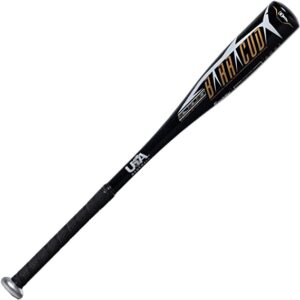
1. Franklin Sports Kids Youth Baseball and Teeball Bats
Having a reliable and lightweight baseball bat can make all the difference, whether on or off the field. The Franklin Sports Kids Youth Baseball and Teeball Bat is designed to provide a smooth and powerful swing, while also allowing for greater mobility and control. It meets new regulations and features the baseball logo, a requirement for some tee-ball, baseball, and softball teams this season. The bat’s clear color scheme makes it easily visible on the field, while its durable grip helps young players learn precise control and fluid swinging. Kids love the vibrant colors, which make it easy to differentiate their bat from their teammates’. This popular choice among tee-ball bats is also ideal for practice and drills. Experience the satisfying pop of the bat connecting with the ball, which is only possible with the best aluminum baseball bats.
Key Features
- It has a big barrel which makes it easy for young players to make better contact & drive the ball.
- It is constructed from a durable aluminum alloy that was designed for high performance.
- The batting tape of the handle is designed to be extra tacky for optimal grip.
- This baseball bat got approval by the USA Baseball
Bat Specifications
- Size : 25/14” oz
- Diameter: 21/8”
- Weight Ratio: -11
- Type: Baseball & T-Ball
- Brand: Franklin Sports
- Color: Black
- Material: Aluminum
- Swing Weight: Balanced
Pros
- It is technically a T-ball but works great for coach pitch also.
- Perfect Weight & Length.
- It’s very light and easy to swing.
- Great design and is overall sturdy.
Cons
- It is listed for both Baseball & T-ball, but it works very weakly for Baseball.
[su_button url=” https://www.amazon.com/Franklin-Sports-Teeball-Bat-Barracuda/dp/B07WZWQH2R/?tag=tbins-20 ” target=”blank” style=”3d” wide=”yes” center=”yes” radius=”0″ rel=”nofollow”]Check It Now[/su_button]
Related Product: Best Fungo Baseball Bats
2. Rawlings 5150 USA Youth Baseball Bat
The Rawlings 5150 USA Youth Baseball Bat, one of the most impressive USA bats, has undergone a facelift. It is a one-piece metal alloy bat that produces a loud ping, has a huge sweet spot, and offers a great feel from the -11 length to weight ratio. The Rawlings 5150 is one of the most popular USA bats ever made and is built on the principle of simplicity. The bat features a simple swing design with great balance, a large barrel for optimal contact with the ball, and minimal vibration. Rawlings has perfected the formula for a great USA bat. You can purchase your 5150 Youth USA Bat today from CheapBats.com with no hassle returns and a satisfaction guarantee.
Key Features
- 100% 5150 aluminum alloy design
- One-piece bat construction
- Precision Laser POP 2.0 Technology
- Balanced Swing & Light Weight
- One Year Manufacturer Warranty
- Light drop weight and hyper lite speed end cap creates faster swing speeds
- Approved for USA Baseball Stamp
- Accepted for Dixie, Babe Ruth, Little League, AABC, Cal Ripken & Pony
Bat Specifications
- Size : 27/16” oz
- Diameter: 21/8”
- Weight Ratio: -11
- Type: Baseball & Softball
- Brand: Rawlings
- Color: Red, Black & White
- Material: Aluminum
- Swing Weight: Balanced
Pros
- The drop -11 creates no lack of power.
- Everyone who used it liked the feel and was able to connect.
- Superior bat, great single alloy fab, has great balance.
Cons
- It seems too long and too heavy.

[su_button url=” https://www.amazon.com/dp/B07CPF5Z56?tag=probaseballguide-20&linkCode=ogi&th=1&psc=1//?tag=tbins-20 ” target=”blank” style=”3d” wide=”yes” center=”yes” radius=”0″ rel=”nofollow”]Check It Now[/su_button]
Related Product: The Best Drop 5 Baseball Bats
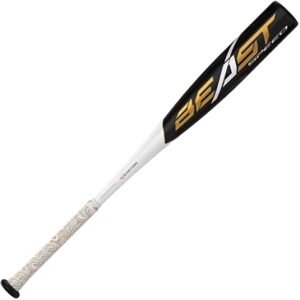
3. Easton Beast Speed USA Youth Baseball Bat (-10)
The Easton Beast Speed USA Youth Baseball Bat (-10) is a high-quality bat designed for young players who demand the best performance. With a -10 drop weight, it is perfectly balanced to provide maximum swing speed and control. The bat features an advanced ATAC alloy construction that delivers a massive sweet spot and incredible durability. The ATAC alloy material is also designed to provide a smooth, comfortable swing with minimal vibration.
Key Features
- Durable
- Great weight and length
- Combine strength with agility
- Bat lightweight for speed behind the ball.
- Advanced Thermal Aluminum Alloy technology
- Approved for all USA Baseball standard leagues
- Contains the lightest and strongest aluminum barrel
- One-piece speed balanced design
Bat Specifications
- Sizes : 28/18” oz
- Diameter: 21/8”
- Weight Ratio: -10
- Type : Baseball
- Brand : Easton
- Color : Multi
- Material: Aluminum
- Swing Weight: Balanced
Pros
- Looks good
- Bat feels lighter and has a definite pop when the ball is hit.
- It’s true to weight and has a nice balanced to slight end loaded feel
- The bat actually responded great.
Cons
- It is expensive.
[su_button url=” https://www.amazon.com/EASTON-Beast-Baseball-Aluminum-Lizard/dp/B07FMS99J3/?tag=tbins-20 ” target=”blank” style=”3d” wide=”yes” center=”yes” radius=”0″ rel=”nofollow”]Check It Now[/su_button]
Related Product: Best 2 3 4 Baseball Bats Reviews
4. Louisville Slugger Prime 919 (-10) USA Baseball Bat
The Louisville Slugger Prime 919 (-10) USA Baseball Bat is the perfect tool to take your game to the next level. This bat features a 3-piece design, including a MicroForm barrel that provides excellent pop with every hit. The patented VCX technology reduces vibration, resulting in a smooth and comfortable swing. The handle and barrel are designed to move independently, allowing for a natural feel when hitting. The traditional grip offers a fast response time during each at-bat. The RTX end cap increases barrel length and adds a full power sound that echoes across the field. The LS Pro Comfort grip provides both traction and cushion for a comfortable and secure grip that enhances swing adjustment during batting practice. With the Louisville Slugger Prime 919 (-10) USA Baseball Bat, you can confidently step up to the plate and dominate the game.
Key Features
- 3-piece composite design
- RTX end cap design maximizes the barrel shape
- New Advanced Microform Barrel For Max Barrel Size & Peak Performance
- New LS Pro Comfort Grip
- Manufacturer’s Warranty: One year
- New USA Baseball (USA Bat) Certified Stamp
- Composite Baseball Bat With Advanced Construction
- Durable
- Patented VCX Technology Allows Independent Movement Between Barrel & Handle
- A Unique Feel is Created by Patented VCX Technology For Each Player Type
- Approved For Play In Cal Ripken, AABC, Little League, Babe Ruth, Dixie Youth & Pony
Bat Specifications
- Sizes : 28/18” oz
- Diameter: 21/8”
- Weight Ratio: -10
- Type: Baseball
- Brand: Louisville Slugger
- Color: Gray, Red, Blue
- Material: Composite
- Swing Weight: Balanced
Pros
- The sweet spot is big.
- It’s balanced with a super low swing weight
- Comfortable bat with great performance.
Cons
- This is an expensive bat.
- Lack of vibration

[su_button url=” https://www.amazon.com/Louisville-Slugger-2019-Prime-Baseball/dp/B07FQXZ5K8/?tag=tbins-20 ” target=”blank” style=”3d” wide=”yes” center=”yes” radius=”0″ rel=”nofollow”]Check It Now[/su_button]
Related Product: Best Baseball Bats For 8 Year Old
5. Rawlings Threat USA Youth Baseball Bat (-12)
The Rawlings Threat USA Youth Baseball Bat (-12) is a game-changer for improving batting averages across the country. This bat instills fear in pitchers with its large barrel and eye-catching design for the 2018 season. The one-piece, 100% composite construction features a carbon fiber barrel that enhances trampoline effect and overall pop at the plate while providing a sturdy feel upon impact for added distance on contact. The well-balanced design and lightweight make it an ideal option for younger players struggling with their swing speed. Additionally, it comes pre-wrapped with a standard, tacky grip for improved comfort and control during play.
Key Features
- Carbon Fiber Barrel Provides Premium Pop & Further Ball Flight
- Lightweight Design Allows For Faster Bat Speeds
- Manufacturer’s Warranty: One year
- USA Baseball Certified
- Standard Rawlings Bat Grip Optimizes Comfort
- One-Piece Composite Baseball Bat
- Innovative End Cap Reduces Swing Weight For More Control
- Got Approval to play in Dixie Youth, AABC, Little League, Cal Ripken, Babe Ruth, Pony & USSSA Baseball Leagues.
Bat Specifications
- Size : 28/16” oz
- Diameter: 21/8”
- Weight Ratio: -12
- Type: Baseball
- Brand : Rawlings
- Color : Green, Navy
- Material: Composite
- Swing Weight: Balanced
Pros
- Grip
- Lightweight
- Reasonable price
- Easy for small kids to swing
Cons
- Too light for some kids
- History of cracking with use by strong kids

[su_button url=” https://www.amazon.com/dp/B079SXC64J?tag=probaseballguide-20&linkCode=ogi&th=1/?tag=tbins-20 ” target=”blank” style=”3d” wide=”yes” center=”yes” radius=”0″ rel=”nofollow”]Check It Now[/su_button]
6. Louisville Slugger Youth Genuine Ash 125 Black Baseball Bat
The Louisville Slugger Youth Genuine Ash 125 Black Baseball Bat is designed to fit every budget and is made from durable ash wood, making it lightweight and flexible. Thanks to its flexibility, the bat offers a larger sweet spot that is more forgiving to help young players hit the ball more easily.
Key Features
- Youth Genuine 125 Ash Wood Bat
- Barrel Material: Ash
- Durable
- Wood: Series 3 Maple
- Turning Model: Mixed
- Split unfinished and natural
- Regular finish (barrel)
- Manufacturing tolerances, performance considerations, and grip weight may cause variations
Bat Specifications
- Sizes : 27/24” oz
- Product Dimensions: 1.47 pounds
- Type: Baseball
- Brand: Wilson Sporting Goods
- Color : Black
- Material: Wood
- Model: Ash 125
Pros
- Light weight
- Inexpensive
- Easy for small kids to swing
Cons
- No pop

[su_button url=” https://www.amazon.com/Louisville-Slugger-Youth-Genuine-Baseball/dp/B07QCCYGWP/%20?tag=tbins-20 ” target=”blank” style=”3d” wide=”yes” center=”yes” radius=”0″ rel=”nofollow”]Check It Now[/su_button]
7. Louisville Slugger (-11) Solo 619
Get ready to hit it out of the park with the Louisville Slugger Solo 619, the most popular USA bat on the market! The one-piece hyper alloy construction provides maximum energy transfer for powerful and consistent hits. With the newly designed composite speed ballistic end cap, you can swing faster and increase impact efficiency for maximum ball speed. The LS pro comfort grip ensures a comfortable and controlled grip during batting practice, while the ⅞” tapered handle provides a perfect surface for young players to practice their grip and learn how to hold the bat correctly. Get your Louisville Slugger Solo 619 today and start hitting home runs like a pro!
Key Features
- The Pro Comfort Grip Creates The Best Tack & Comfort
- Manufacturer’s Warranty: One year
- USA Baseball Certified Stamp
- Traditional Feel For Immediate Impact Feedback
- One-Piece, Alloy Baseball Bat
- Maximum Energy Transfer
- Excellent Swing Speed
- Lowest Swing Weight Profile & Fastest Swing Speed In Louisville Slugger Lineup
- Permitted for play in Cal Ripken, AABC, Babe Ruth, Pony, Little League & Dixie Youth
Bat Specifications
- Sizes : 28/17” oz
- Diameter: 21/8”
- Weight Ratio: -11
- Type : Baseball
- Brand : Wilson Sporting Goods
- Color : Gray
- Material: Aluminum
- Swing Weight: Balanced
Pros
- Light weight
- Grip
- Nice pop
- Reasonable price
- Easy for small kids to swing

[su_button url=” https://www.amazon.com/Louisville-Slugger-2019-Solo-Baseball/dp/B07FQY7LFV/%20?tag=tbins-20 ” target=”blank” style=”3d” wide=”yes” center=”yes” radius=”0″ rel=”nofollow”]Check It Now[/su_button]
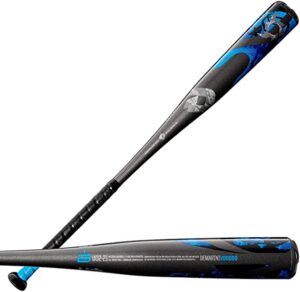
8. DeMarini USA Voodoo One (-9, -10) Baseball Bat
The DeMarini Voodoo One USA Baseball Bat is the perfect tool for elite power hitters. It features a large X14 alloy barrel designed to increase performance and power. The bat also comes equipped with a ReAction End Cap made from strong and lightweight materials that allow for improved barrel performance and increased swing speed. Its one-piece construction provides maximum durability and a solid feel, similar to that of a wood bat. Whether you’re a serious player or just starting out, the Voodoo One Piece bat is built to take your game to the next level.
Key Features
- Lightweight performance alloy built for maximum pop
- Durability
- One-Piece Alloy Construction
- Reaction end cap reduces Swing Weight
Bat Specifications
- Sizes: 28”, 29”, 30”, 31”, 32
- Diameter: 21/8”
- Weight Ratio: -9, -10
- Type: Baseball
- Brand : DeMarini
- Color : Black
- Material: Aluminum
- Swing Weight: Balanced
Pros
- Lightweight
- Grip
- Nice pop
[su_button url=” https://www.amazon.com/DeMarini-USA-Voodoo-One-Baseball/dp/B08MBHGQPF/?tag=tbins-20 ” target=”blank” style=”3d” wide=”yes” center=”yes” radius=”0″ rel=”nofollow”]Check It Now[/su_button]
9. DeMarini Voodoo Balanced (-10) Senior League Baseball Bat
The DeMarini Voodoo Balanced (-10) Senior League Baseball Bat is an ideal decision for both middle school age players and those simply beginning their movement ball professions in 2019. With the X14 Compound material used to build this bat, it is ensured for all USSSA play and has a more exact weight dissemination for an optimal performance. The bat includes a Paraflex Composite handle development that provides a more responsive and premium feel, and the licensed 3 Fusion Taper and End Cap give players better weight circulation – particularly in the perfect balance.
Key Features
- Two-Piece Hybrid Construction
- Durable
- X14 Alloy Barrel
- Paraflex Plus Composite Handle Design
- 3 Fusion Handle
- 3 Fusion End Cap
- Approved for USSSA
- Manufacturer’s Warranty: One year
Bat Specifications
- Sizes : 30/20” oz
- Diameter: 11/4”
- Weight Ratio: -10
- Type : Baseball
- Brand : DeMarini
- Color : Silver
- Material: Aluminum
- Swing Weight: Balanced
Pros
- Nice pop
- Sweet spot

[su_button url=” httpswww.amazon.comDeMarini-Voodoo-Balanced-Senior-Baseball-dp-B07FQNR2WFdpB07FQNR2WFtag=tbins-20 ” target=”blank” style=”3d” wide=”yes” center=”yes” radius=”0″ rel=”nofollow”]Check It Now[/su_button]
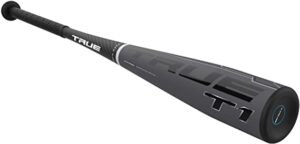
10. True Temper T1 (-10), (-8), (-5) USA Youth Baseball Bat
This model is a hybrid model with an alloy barrel and composite handle.
Key Features
- True 2020 T1 USA Youth Bat
- Fused Hybrid Construction
- Half Sizes
Bat Specifications
- Sizes : 28.5/18.5” oz
- Diameter: 21/8”
- Weight Ratio: -10, -8, -5
- Type : Baseball
- Brand : True Temper
- Color : Black
- Package Dimensions: 1.5 Pounds
[su_button url=” https://www.amazon.com/True-2020-USA-Youth-BAT/dp/B08KGW61JK/?tag=tbins-20 ” target=”blank” style=”3d” wide=”yes” center=”yes” radius=”0″ rel=”nofollow”]Check It Now[/su_button]
Effective buying guide for 9U Baseball Bats
Picking the ideal slugging stick isn’t just about as simple as it used to be. Enhancements in innovation have made more choices than any other time in recent memory, yet this likewise implies a superior possibility that you will discover the slugging stick that was totally implied for you. Regardless of whether you are simply getting everything rolling and need a Tee Ball Bat, playing travel ball and need a USA Baseball Bat or a USSSA Baseball Bat, or you are a more established player searching for the most sizzling BBCOR Baseball Bat, Baseball Express has you covered.
Here are a few tips to assist with making your next bat purchase somewhat simpler.
1. Ensure that the bat is the proper length
Measure the stature and weight of the player you are purchasing the bat for. When you have this data, you can utilize this diagram as an aide for the important bat length. The beneath outline can go about as a decent hopping-off moment when looking for the right-size bat.
Determining the Bat Length by Age |
|
| Age | Bat Length |
| 5-7 years old | 24”-26” |
| 8-9 years old | 26”-28” |
| 10 years old | 28”-29” |
| 11-12 years old | 30”-31” |
| 13-14 years old | 31”-32” |
| 15-16 years old | 32”-33” |
| 17+ years old | 34” |
To double-check if the length works for you, hold the bat to your side and as long as your palm can arrive at the handle while the top of the bat is contacting the ground, the length of the bat should work for you. If you have to bend over to grab the handle, the bat is probably too short and you should consider a larger size.
2. Track down the proper Weight
Since you know the length of your bat, you realize you need to select the legitimate bat weight, all the more usually alluded to as a drop. A drop alludes to the length of the bat short the weight. For instance, if a bat is 30 inches long and has a drop weight of – 5, the bat will weigh 25 ounces. Along these lines, the bigger the drop weight, the less the bat will gauge. More youthful players will in general utilize a greater drop weight while more established players will utilize a more modest one. Here is a fast rundown of drop proposals dependent on the player’s age:
Drop Recommendations
| Ages 6 & Under | Ages 7 – 10 | Ages 11 – 13 | Ages 14 & Up |
| Tee Ball Bat | -12 to -8 | -8 to -5 | -3 |
Most leagues will have set weight and length limits. If you know what league and age group you are looking for, please consult the following charts.
Little League 9/4” Barrel Baseball Bats
| Age | Under 7 | 8 to 9 | 10 to 11 | 12 to 13 |
| Length | 24″-26″ | 26″-29″ | 28″-30″ | 29″-32″ |
| Drop | -13.5 to -12 | -13.5 to -10 | -13 to -10 | -10 to -9 |
Pony League 21/8” Barrel Baseball Bats
| Age | Under 7 | 8 to 9 | 10 to 11 | 12 to 13 | 14 and Over |
| Length | 24″-26″ | 26″-29″ | 28″-30″ | 29″-32″ | 31″-34″ |
| Drop | (-12)-(-10) | (-12)-(-10) | (-10)-(-8) | (-9)-(-5) | (-3) |
3. Track down the right material
This choice used to be simple: Do you require a wood bat or a metal bat? There are 4 types of bats found in the market. Such as-
- Composite bat
- Alloy bat
- Hybrid bat
- Wood bat
Progressions in bat advancement and innovation have made the choice more perplexing, particularly in case you are on the lookout for a metal bat. Except if you are an expert or playing in a wood bat competition, chances are that you are searching for a metal bat. This segment gives a speedy overview of the diverse metal sorts you will run over and what the distinctions are between each. Value ranges and gauges depend on grown-up size bats.
4. League Certification
So you realize what size bat you need, and you have chosen the right sort, presently you simply need to ensure your bat has the appropriate certificate. Recall that all associations have their own bat guidelines and guidelines. Make certain to counsel your association prior to making a buy to ensure you purchase a bat with the appropriate affirmation.
Here are the most common certifications you will come across.
- USA
- USSSA
- BBCOR
Baseball Little League List For 9-year-olds
Youth baseball, a worldwide baseball organization for youngsters and teenagers, began in 1939 in Williamsport, Pennsylvania, via Carl E. Stotz and siblings Bert and George Bebble. The association initially included young men aged 8 to 12. Young ladies have been conceded since 1974. Youth baseball currently incorporates a senior division for players ages 13 to 15 and a major league division for ages 16 to 18.
Among groups of the junior division, the game is played on a field 66% the size of an expert baseball field, and games are six innings instead of nine. Of a group’s nine individuals, two should be under 11 years of age, and close to seven in the normal arrangement might be 12. Leagues comprise 4 to 12 groups that play a period of around 15 games; the champs then engage in local and regional playoffs to qualify for the World Series, held every year in Williamsport. World Series groups from far-off nations were barred from the Little League World Series in 1975 due to inquiries about player qualification, however, they were restored in 1976.
Baseball Divisions
- Players who are league age 4-7 are qualified to be chosen to a Tee Ball group.
- Players who are league age 5-6 that have taken part for one ordinary season in the Tee Ball Division are qualified to be chosen to a Minor League Division (mentor pitch or machine pitch) group.
- Players who are league age 7-12 are qualified to be chosen to a Minor League Division cooperative person (pitch, mentor pitch, or machine pitch) for the ordinary season. The nearby association directorate might choose the age shorts inside this age gathering.
- Players who are league age 9-12 are qualified to be chosen to a Major Little League Division group for the ordinary season. The nearby league directorate might confine this division to players who are league age 10-12 or 11-12.
- For a player of 9 years, he is eligible for Minor League Baseball. It is given the initials MiLB because of Major League Baseball. There are several leagues in the MiLB that accommodate the vast amount of youngsters in the game.
- Here is the little league list-
- Triple-A league
- International League
- Double-A league
- Eastern League
- Pacific Coast League
- Players who are league age 11-13 are qualified to be chosen to an Intermediate (50/70) Division group for the ordinary season. The nearby association directorate might choose to have an alternate age cutoff for this division, if it is inside the gathering noted. For instance, the Intermediate Division in a nearby Little League could be restricted to players who are league age 12-13.
- Players who are league age 12-14 are qualified to be chosen to a Junior League Division group for the ordinary season. The nearby league directorate might choose to have an alternate age cutoff for this division, if it is inside the gathering noted. For instance, the Junior Division in a nearby Little League could be restricted to players who are league age 13-14.
- Players who are league age 13-16 are qualified to be chosen to a Senior League Division group for the normal season. The nearby league directorate might choose to have an alternate age cutoff for this division, if it is inside the gathering noted. For instance, the Senior Division in a neighborhood Little League could be restricted to players who are associated aged 15-16.
- The individuals who are excluded among the league ages recorded above are not qualified for any baseball division in Little League for the ebb and flow season.
2021 LITTLE LEAGUE AGE CHART
FOR THE BASEBALL DIVISION ONLY
Match month (top line) and box with year of birth. League age is indicated on right.
| JAN | FEB | MAR | APR | MAY | JUN | JUL | AUG | SEP | OCT | NOV | DEC | AGE |
| 2017 | 2017 | 2017 | 2017 | 2017 | 2017 | 2017 | 2017 | 2016 | 2016 | 2016 | 2016 | 4 |
| 2016 | 2016 | 2016 | 2016 | 2016 | 2016 | 2016 | 2016 | 2015 | 2015 | 2015 | 2015 | 5 |
| 2015 | 2015 | 2015 | 2015 | 2015 | 2015 | 2015 | 2015 | 2014 | 2014 | 2014 | 2014 | 6 |
| 2014 | 2014 | 2014 | 2014 | 2014 | 2014 | 2014 | 2014 | 2013 | 2013 | 2013 | 2013 | 7 |
| 2013 | 2013 | 2013 | 2013 | 2013 | 2013 | 2013 | 2013 | 2012 | 2012 | 2012 | 2012 | 8 |
| 2012 | 2012 | 2012 | 2012 | 2012 | 2012 | 2012 | 2012 | 2011 | 2011 | 2011 | 2011 | 9 |
| 2011 | 2011 | 2011 | 2011 | 2011 | 2011 | 2011 | 2011 | 2010 | 2010 | 2010 | 2010 | 10 |
| 2010 | 2010 | 2010 | 2010 | 2010 | 2010 | 2010 | 2010 | 2009 | 2009 | 2009 | 2009 | 11 |
| 2009 | 2009 | 2009 | 2009 | 2009 | 2009 | 2009 | 2009 | 2008 | 2008 | 2008 | 2008 | 12 |
| 2008 | 2008 | 2008 | 2008 | 2008 | 2008 | 2008 | 2008 | 2007 | 2007 | 2007 | 2007 | 13 |
| 2007 | 2007 | 2007 | 2007 | 2007 | 2007 | 2007 | 2007 | 2006 | 2006 | 2006 | 2006 | 14 |
| 2006 | 2006 | 2006 | 2006 | 2006 | 2006 | 2006 | 2006 | 2005 | 2005 | 2005 | 2005 | 15 |
| 2005 | 2005 | 2005 | 2005 | 2005 | 2005 | 2005 | 2005 | 2004 | 2004 | 2004 | 2004 | 16 |
Baseball Batting Tips For Kids
Here are 10 tips that will make you a better hitter-
- Hitting with two strikes can be troublesome. In the event that you tear up, you will actually want to control the bat better and strike out less. Great hitters start crying with two strikes.
- Remaining “Inside the ball” signifies saving the bat as near the body to the extent that this would be possible. This will assist you with having more bat speed and hitting the ball harder.
- To hit with more force, take a stab at utilizing your legs better. Force hitters roll up onto their back toe at contact. This will assist you with utilizing all the force in your legs and hitting the ball harder and furthermore reliably.
- Being in an appropriate, adjusted position is fundamental. While each hitter’s position might differ, by and large attempt to remain with your feet shoulder-width separated with your hands held serenely around your back shoulder.
- Getting into a solid situation of force is fundamental to making hard contact reliably. When taking your step, ensure that your hands are “clicking” back. This will assist you with being in a situation to detonate to contact.
- Equilibrium is one of the main parts of the swing. Attempt to keep most of your body weight, in your position, on the wads of your feet. This will assist you with having better equilibrium and steadiness – which additionally gives you more force.
- Once up at the plate in a game, seeing the ball ought to be the solitary part of hitting that you are contemplating. In the event that you center around seeing the ball as well as could be expected, you will make hard contact reliably.
- Make a point to hold your head down at contact. Any place you connect with the pitch is the place where you should hold your head. Practice this strategy by holding your head for delayed timeframes at contact during batting practice.
- The fence drill is perhaps the best drill for rehearsing a short swing. Two or three feet from a fence, take a short swing and attempt to “miss” the fence by pulling your hands near your body. The more you practice this drill, the nearer you ought to have the option to get to the fence without hitting it.
- Hitting ought to be drilled consistently. The justification behind this is on the grounds that you really are rehearsing deftness simultaneously you are rehearsing your hitting strategy.
Little League Bat Rules 2021
With regards to Little League, it isn’t unexpectedly addressed what sort of bats you are permitted to use at specific levels. Since 2018, it is necessary that all divisions of Little League utilize bats that have a USA 1.15 BPF stamp, and the barrel diameter can’t exceed 21/8”. However, BBCOR bats can be utilized in the Intermediate, Junior League, and Senior League Divisions. Ensure your bat is legal for the division you are in, or obviously, you will not be able to use it. Thus, below we will talk about every one of the different divisions and separate the different sizes of bats that are considered everyone.
Little League Bat Rules Chart
Each division of Little League has its own set of guidelines and limitations when it comes to batting size and required certification stamps, displayed in the chart below.
| League | Ages | Bat Size | Notes |
| Tee Ball | 4 – 7 | 26” & shorter | Approved for Tee Ball bats. Also, be used for Coach Pitch Minor Divisions only with the use of approved Tee Balls |
| Minor Leagues | 5 -11 | No more than 33”
Barrel diameter cannot exceed 21/8” |
Solid one-piece wood barrel bats don’t need a USA Baseball logo
Tee Ball bats may likewise be utilized for Coach Pitch and Machine Pitch Minor Divisions just with the utilization of supported Tee Balls |
| Major Division | 9 – 12 | No more than 33”
Barrel diameter cannot exceed 21/8” |
Solid one-piece wood barrel bats don’t need a USA Baseball logo
Tee Ball bats may likewise be utilized for Coach Pitch and Machine Pitch Minor Divisions just with the utilization of supported Tee Balls |
| Intermediate | 12 – 13 | No more than 34”
Barrel diameter cannot exceed 21/8” |
Solid one-piece wood barrel bats don’t need a USA Baseball logo
Bats meeting BBCOR standard, marked with the certification stamp can be used |
| Junior League | 12 – 14 | No more than 34”
Barrel diameter cannot exceed 21/8” |
Solid one-piece wood barrel bats do not require a USA Baseball logo
Bats meeting BBCOR standard, marked with the certification stamp can be used |
| Senior League | 13 – 16 | No more than 36”
Barrel diameter cannot exceed 21/8” Must have a drop (-3) |
All bats must meet BBCOR certification & include the stamp of approval
Solid one-piece wood barrel bats don’t need a USA Baseball logo |
Baseball Bat Regulations for 9 year old
The bat should be a baseball bat that fulfills the Baseball Bat standard of the USA as taken on by Little League. It will be smooth, rounded & made of material or wood & the color of the bat is tested and proved acceptable to the USA Bat.
It will not be greater than 34″ long; nor greater than 21/8″ in diameter & if wood, is not be smaller than 15/16” in diameter, At its smallest part it will have to be 7/8” for bats under 30″. Wood bats fitted or taped with a sleeve that may not exceed 18” from the little end. No need to use a USA Baseball logo for Solid one-piece wood barrel bats.
| Bat Marking or Certification | Legal or Illegal for Little League Play | Discussion |
| Illegal | This is the norm for AAU travel ball and will give a hitter a HUGE benefit over USA Bat ensured or BBCOR bats. It additionally makes it less agreeable for base umpires to work inside the infielders given the expanded leave speeds. The BPF represents Bat Performance Factor, and any bat that is BPF 1.15 is illicit. BPF 1.20 bats are softball bats and are unlawful for baseball as well. | |
|
|
Legal | This is the Little League standard since 2018 and has been made to reflect the live speed of a wood bat. |
| Legal | This is the norm for center school, secondary school, and school-level baseball. These are as it were “Drop 3,” which implies the load in ounces is 3 not exactly the length in inches. These are weighty bats that are intended to reflect the leaf speed execution of wood, yet the presentation is a bit better. | |
| Illegal | BESR is an old norm for secondary school and school. These have been supplanted by BBCOR. They have such a lot of force and leave speed that players actually use them in the school homer derby (with no bat rules) for 450 feet in addition to grand slams. | |
| Solid wood bat | Legal | It is a heavy but good choice. |
| Wood composite | Legal only if BBCOR certified | See BBCOR details |
FAQ’s
1. What is meant by Swing Weight?
Swing weight is a measure of how heavy a bat or racket feels when swung. It takes into account the weight of the object as well as the distribution of that weight along the length of the bat or racket. The swing weight can affect a player’s ability to control the object during their swing, and can also impact the speed and power of their swings. Bats or rackets with a higher swing weight will generally feel heavier and require more effort to swing, while those with a lower swing weight will feel lighter and require less effort to swing. It is important for players to find a bat or racket with a swing weight that feels comfortable and allows them to perform at their best.
Bat creators can change a composite bat’s swing weight by changing how the weight is conveyed along the bat. Composite bats can deal with their swing weight (through weight movement) more adequately than aluminum and wood since composite material is lighter and even more viably controlled.
2. How do you know if a bat is composite?
Composite baseball bats, as opposed to aluminum or wood baseball bats, fuse a built-up carbon fiber polymer, or composite, into the bat’s development. This composite material can make up all or part of the bat. Bats made totally of this polymer are referred to as composite bats. Bats that just consolidate a piece of polymer ( the rest either wood or an aluminum compound) are known as composite half-breed bats. This composite material gives a benefit over aluminum alloy and wood in durability, weight appropriation further developed trampoline impact, and a higher damping rate
Most composite bats use dual barrel construction. The external barrel is softer than the typical single barrel bats and that is the reason you see the paint break. These breaks called webbing are shallow vertical along the barrel. Webbing occurs with all bats now.
3. What are the Pros & Cons of using Composite Bats?
- While composite bats are significantly more durable than wood bats, they are substantially less durable compared with aluminum bats.
- With regards to their development, composite barrel bats come as it is possible that one-piece or two-piece bats. They normally have bigger barrels than different sorts of bats yet have lower swing loads when set in opposition to aluminum bats or wood bats.
- Composite barrel bats are significantly more costly than aluminum bats.
- Similar to wood bats, composite bats break when they break, dissimilar to aluminum bats which imprint.
- Composite bats need breaking in, which commonly needs around 150 to 200 hits. This further develops execution after some time, further developing the trampoline impact consequently the need to break them in.
- Unfortunately, composite bats are very fastidious with regards to changes in temperature. In cold weather, their performance decreases, and they are more helpless to break.
4. Benefits of Coaching a Little League Baseball Team
Little League baseball started as a great way for children to learn much about the former national pastime. It wasn’t known by most people how the game worked. Little League baseball could be the perfect way to learn about the mechanics of the game for the kids. This allowed the internalization of these rules as they grew up to be better players.
The 5 Undeniable Benefits of Coaching a Little League Baseball Team are-
- You Make Important Decisions Regarding the Team
- You Become a Part of the Growth of Your Young Athletes
- Improves Your Leadership Skills
- Improves Your Relationship with Other Community Members
- Allows You to Share Your Sports Passion with Young Athletes
5. Why do people wear baseball gloves?
People wear baseball gloves to protect their hands while catching the ball. Baseballs are hard and can cause injury if caught without proper protection. Additionally, gloves offer a better grip and help players catch the ball more easily. The webbing in the glove allows players to trap the ball securely, preventing it from bouncing out of their hand. Gloves also help players throw the ball more accurately by providing a larger surface area to grip the ball. Overall, gloves are an essential piece of equipment for baseball players, helping them play the game more safely and effectively.
Most baseball players wear a batting glove under their handling glove to assist them with their grip when they have sweat-soaked hands. Different players prefer a batting glove since it gives cushion to their hand, helps their handling glove fit better, or they just simply like the feel of it.
Recommendations
Baseball has been an integral part of everybody’s life, whether individuals played it in childhood or went to see a game with family, or just watched a game on TV. All in all, baseball has consistently been there. The sport of baseball is exceptionally interesting in its own way and there are different children with various gifts. Your child can figure out how to tackle and hone those abilities with the right inspiration, the right gear, and the right league. The league makes the road for development with his friends and with the right hardware, he can simply be the king of the group.
Baseball is a complex and fascinating sport that requires a deep understanding of its rules and strategies to fully appreciate its beauty. Baseball fans know that the game is not just about hitting the ball and running around the bases, but also about the strategy behind each play, the pitcher-batter duel, the defensive shifts, and the mental toughness required to succeed in the sport.
The baseball season is indeed long, spanning from spring to fall, and it offers plenty of opportunities for fans to immerse themselves in the game and follow their favorite teams. It’s a sport that can bring both excitement and disappointment, as every game and every pitch can make a difference in the outcome of the season.
Reference:
- Brody, H. (1990). Models of baseball bats. American Journal of Physics, 58(8), 756–758. https://aapt.scitation.org/doi/10.1119/1.16378
- Nathan, A. M. (2003). Characterizing the performance of baseball bats. American Journal of Physics, 71(2), 134–143. https://aapt.scitation.org/doi/10.1119/1.1522699
- Shenoy, M. M., Smith, L. M., & Axtell, J. D. (2001). Performance assessment of wood, metal and composite baseball bats. Composite Structures, 52(3–4), 397–404. https://www.sciencedirect.com/science/article/abs/pii/S0263822301000307?via%3Dihub
Baseball is undoubtedly one of the most entertaining sports globally, but it can also pose a risk to players. A single hit to the face during gameplay can result in severe facial injuries. To prevent such incidents, batters wear helmets to protect their faces and ears from high-impact hits.
It can be quite frustrating to buy a brand-new, stylish baseball cap only to realize it is too large for your head and does not look good on you.
It’s nothing unexpected that perhaps the greatest worry for batsmen is ensuring against blackouts and assuming you don’t believe in your protective cap, you won’t be certain out on the field.
In addition, if you are exercising in a poorly ventilated area with a temperature of 100 degrees Fahrenheit or higher, wearing a cap without proper protection can lead to a disastrous outcome. Furthermore, inadequate cushioning that is not fully integrated into the cap and separated from its fabric can quickly become damaged after just a few uses. It’s important to consider these factors when choosing the right baseball cap for your needs.
The jaw monitor is additionally a deliberately planned face defender that can be mounted on one side of the head protector. This ensures that one side of the hitter’s face, which is presented to the pitcher.
The jaw guard becomes very important for young players who have not developed enough skills to protect themselves from unexpected pitches.
Factors Need To Consider When Looking For A Baseball Helmet
Sizing
When it comes to sizing, purchasing a batting helmet is as straightforward as buying a fitted baseball cap. You only need to measure the circumference of your head and select the nearest available size.
Chin Straps
Chin straps are another convenient option to secure a helmet that may be slightly loose. When stepping into the batter’s box, your only focus should be on nailing your hit; you don’t want a poorly-fitted batting helmet to hinder your performance.
Proper Fit
When putting on the helmet, make sure that the brim sits about an inch above your eyebrows and is level with the rest of your head. If the helmet is too high, you run the risk of getting hit in the temple while running the bases or batting. If it’s too far forward, the back of your head will be left exposed.
It is important to ensure that your helmet is certified by the National Operating Committee on Standards for Athletic Equipment (NOCSAE). You can verify this by looking for the NOCSAE logo on the back of the helmet. This logo indicates that your helmet meets the high standards of protection set by NOCSAE.
Top 5 Baseball Helmet With Jaw Guard
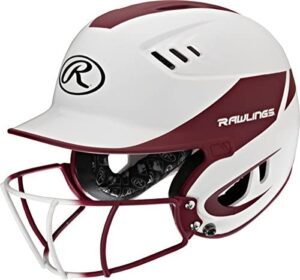
1. Rawlings Senior Velo R16 Baseball Helmet
The Rawlings Senior Velo R16 Baseball Helmet is an ideal choice for players who prioritize maximum protection. Designed for fastpitch, this helmet is capable of withstanding high-velocity hits with minimal damage. It features 16 vents and COOLFLO XV1 venting, which helps to keep your head cool on hot days. The Heat Exchange vents also provide a ventilated feel, further improving your comfort level.
The vast majority of the assurance from this protective cap comes from the wrapped jaw cushions that give more effective assimilation and increase the general solace of the head protector.
Key Features
- Meets noise Standard
- Two-tone metallic
- Matte paint finish
- R16 Wire guard
- Wrapped jaw pads for improved comfort
Specifications
- Item Weight: 1.1 Pounds
- Package Weight: 11 Pounds
- Item Dimensions(L x W x H): 9 x 9 x 9 inches
- Package Dimensions: 11.5 x 8.3 x 7.5 inches
- ASIN: B082P8CMKR
- Size: 6 ⅞” – 7 ⅝”
- Age: Unisex-adult
- Brand: Rawlings
- Manufacturer: Rawlings Sporting Goods
- Color: White/Matte Maroon, White/Matte Purple, White/Matte Silver, White/Matte Texas Orange, White/Scarlet, and many more
Pros
- Nice looking helmet
- Great fit
Cons
- Color isn’t satisfactory to some users
[su_button url=” https://www.amazon.com/Rawlings-Sporting-Senior-Softball-Helmet/dp/B082P8CMKR/?tag=tbins-20 ” target=”blank” style=”3d” wide=”yes” center=”yes” radius=”0″ rel=”nofollow”]Check It Now[/su_button]
Learn More: Best Men’s Baseball Gloves Under $100
2. Rawlings Sporting Goods Highlighter Series Baseball Helmet
The Rawlings Sporting Goods Highlighter Series Baseball Helmet features the innovative Coolflo technology, which was first introduced in 2006 and revolutionized helmet protection with its state-of-the-art venting system and sleek, streamlined appearance. Initially worn by all Major League Baseball athletes, the Coolflo helmets are specifically designed for players who desire a helmet with a proven track record of excellence and advanced features. These helmets continue to push the boundaries of traditional helmet design and set new standards for performance and safety.
Key Features
- Imported
- Another quality Rawlings product
- Baseball protective gear batting helmets
- Made of the highest quality materials
- Refer to the PDF attached below for sizing
Specifications
- Item Weight: 2 Pounds
- Item Dimensions(L x W x H): 9 x 9 x 9 inches
- Model: RCFHLFG-MBK-P
- ASIN: B01I1YGYJ2
- Size: 6-½” – 7-½”
- Age: Unisex-adult
- Brand: Rawlings
- Manufacturer: Rawlings Sporting Goods
- Color: Matte Black, Matte Navy, Matte Neon Green, Matte Neon Orange, Matte Neon Purple and many more
Pros
- Lightweight
- Comfortable
- Nice fitting
- Not so expensive
Cons
- Color is little bit change
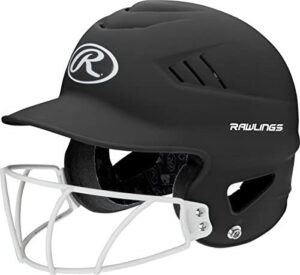
[su_button url=” https://www.amazon.com/Rawlings-Sporting-Highlighter-Softball-Helmet/dp/B01I1YGYJ2/?tag=tbins-20 ” target=”blank” style=”3d” wide=”yes” center=”yes” radius=”0″ rel=”nofollow”]Check It Now[/su_button]
Learn More: Best Baseball Knee Pads
3. Rawlings Adult COOLFLO Molded Baseball Batting Helmet with Face Guard
The Rawlings Adult COOLFLO Molded Baseball Batting Helmet with Face Guard is part of the Coolflo Series and is compatible with both Junior and Senior sized helmets. The wires of the face guard are strategically placed to maximize the player’s visibility and minimize the overall weight of the guard. The set includes larger screws and spacers for Junior sized helmets. The face guard has a powder coat paint finish and comes with a chin strap. It is NOCSAE approved for both baseball and softball, ensuring optimal safety and protection for the player.
Key Features
- Molded finish
- Traditional coolflo design
- Use spacer and larger screws provided
- Meets nocsae standard
- Maximum visibility and reduced weight
- Designed to fit on both junior and senior size helmet
- Rcfh helmet with nocsae approved bb1wg face guard attached
Specifications
- Item Weight: 1.5 Pounds
- Item Dimensions(L x W x H): 11.3 x 8.5 x 8.5 inches
- ASIN: B086PTH36K
- Size: 6½” – 7½”
- Age: Unisex-adult
- Brand: Rawlings
- Manufacturer: Rawlings Sporting Goods
- Color: Black
Pros
- Comfortable
- Nice fitting
Cons
- A little too big
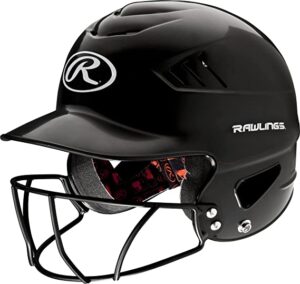
[su_button url=” https://www.amazon.com/Rawlings-Coolflo-NOCSAE-Molded-Batting/dp/B010R04L70/?tag=tbins-20 ” target=”blank” style=”3d” wide=”yes” center=”yes” radius=”0″ rel=”nofollow”]Check It Now[/su_button]
Learn More: Best Youth Baseball Bats Under $100
4. Schutt Baseball-Batting-Helmets
The latest addition to Schutt’s line of fitted batter’s helmets is equipped with D30 cushioning, which offers soft and flexible shock absorption. The helmet boasts a bold design with its Air XE shell and is engineered with a patented polymer that outperforms traditional foam padding. The helmet is constructed with solid ABS plastic, providing both comfort and protection for the player. It is designed for optimal performance on the field.
Key Features
- Built for performance and protection
- 14 vent holes that maximize ventilation
- Featuring the same impact absorption technologies as our football helmets
- They are a uniquely engineered and patented polymer that is superior to foam padding
- D3O Aero impact foam absorbs and locks together to disperse impact energy and reduce the force transmitted
- The Air 5.6 utilizes the AiR–XE shell, a dynamic shell design that’s engineered for a truer fit and maximum ventilation
- Schutt batter’s helmets are the fastest-growing helmets on the field
- Made to be the best helmets for America’s best teams right here in the USA
Specifications
- Model: 325600
- ASIN: B08VGBZH8Z
- Size: XS
- Group: Unisex
- Brand: Schutt
- Manufacturer: Schutt
- Color: Matte Black with Face Mask
Pros
- Inexpensive
- Comfortable
Cons
- Nothing as such
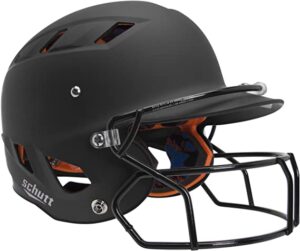
[su_button url=” https://www.amazon.com/Schutt-Softball-Batting-Advanced-Padding/dp/B08V955K6B/?tag=tbins-20 ” target=”blank” style=”3d” wide=”yes” center=”yes” radius=”0″ rel=”nofollow”]Check It Now[/su_button]
Learn More: Best Youth Baseball Bats Under $200
5. Easton Senior Z5 Batters Helmet with BBSB Mask
The Easton Senior Z5 Batters Helmet with BBSB Mask is a high-quality batting helmet with a jaw guard. It boasts exceptional impact resistance, thanks to its protective shell. Additionally, the helmet features dual-density foam that provides both high-density shock-absorbing foam and low-density comfort foam. The foam is also designed to absorb sweat and wick it away from the head, keeping the wearer cool and comfortable. Furthermore, the Easton Z5 meets the NOCSAE standard for Baseball/Softball batting helmets, ensuring top-notch protection for the player.
Key Features
- Durable batting helmet
- Great for players of all caliber
- NOCSAE Approved
- Dual Density Foam absorbs sweat and pulls it away from your head
- ABS plastic provides an excellent protective shell against high impacts
- Wrapped Ears make this helmet highly durable through the rigors of constant play
Specifications
- Weight: 1.5 Pounds
- Item Dimensions(L x W x H): 22.9 x 33 x 22.9 cm
- ASIN: B00LI4NTLY
- Size: Senior
- Group: Unisex
- Brand: Easton
- Manufacturer: Easton Sports, Inc.
- Color: Black
Pros
- Good visibility
- Inexpensive
- Perfect for a kid with a big head
Cons
- A bar will intermittently obstruct the vision
- Small for an adult
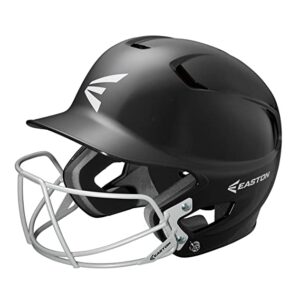
[su_button url=” https://www.amazon.in/Easton-Senior-Batters-Helmet-BBSB/dp/B01N1ONHG4/?tag=tbins-20 ” target=”blank” style=”3d” wide=”yes” center=”yes” radius=”0″ rel=”nofollow”]Check It Now[/su_button]
Best Baseball Helmets Buying Guide
Baseball helmets are a crucial piece of safety equipment and an absolute necessity for every player. However, you cannot simply buy any type of helmet as it may crack under the heavy impact of the ball. Furthermore, there are helmets specifically designed for handling different types of balls, and you cannot use a softball helmet for baseball and vice versa. Various factors determine whether a baseball helmet is safe to use or not, and we have listed all of these elements to help you make an informed purchase.
Types
Prior to buying a baseball cap, know its different kinds. Fundamentally, there are three sorts of baseball protective caps: open-face, fastpitch, and jaw watch.
- Open Face: Open-face head protectors are the most widely recognized ones accessible on the lookout. They have a basic plan with just a cover for the head and no face monitors. However these protective caps give better ball permeability, but they are not completely protected. They are reasonable for little association matches where the ground is little, and there are fewer possibilities of getting hit by the ball.
- Fastpitch: Its headgears are the one that gives lower-face security. They have a durable metal watchman that capacities as a safeguard to ensure your teeth. Softball players for the most part utilize these protective caps as their tossing style is not quite the same as baseball players.
- Jaw Watch: Jaw monitor caps have a plastic diverter situated on one side so the ball doesn’t hit your face straightforwardly. In any case, while buying these protective caps, you need to observe your batting position, as the diverter ought to consistently be an afterthought confronting the pitcher. Aside from that, these protective caps are adjustable, and you can add additional jawline gatekeepers, lashes, and then some.
Ear Guards
Ear flaps are an essential component of a baseball helmet. In some instances, batters have suffered severe ear injuries due to the force of impact from a ball. Ear flaps are typically made from EVA or other types of foam, and they serve as a critical defense to protect against such blows. Additionally, they provide extra comfort for the ears. However, it is worth noting that some leagues may not allow helmets with additional ear flaps. In such cases, it is recommended to opt for headgear that has protective layers that wrap around the ears.
Face Guards
I agree, faceguards are an essential part of any baseball helmet as they provide protection for the mouth, teeth, and jaw. They are typically made of durable metal or plastic and serve as an additional layer of protection to prevent the ball from hitting your face. It is particularly important for children to use them to avoid serious injuries. If your helmet does not come with a faceguard, it’s important to purchase one from the same brand to ensure proper fit and compatibility.
Size
The size of a baseball cap matters a great deal on the grounds that an off-base fit can make it difficult to play appropriately. On the off chance that it’s too huge, the protective cap would fall off effectively, though a tight cap will give you an extreme migraine.
Take an estimating tape and measure the perimeter of your head. Guarantee that you take estimations starting with one ear then onto the next. Whenever you are finished with it, take a gander at the size outline of the cap and afterward observe one to be that fits intently.
Material
The material utilized for the development of a baseball head protector ought to have the option to oppose high strain. Most makers use ABS plastic or PVC for the planning system. ABS is light in weight, tough, and keeps the head protector from breaking or bowing under power.
The material of the inner layer is also a crucial factor to consider when buying a baseball helmet. The inner layer should be comfortable and breathable to avoid any discomfort for the player. Designers use various materials such as EVA foam or other types of padding to create a soft and shock-absorbing inner layer. Many helmets also have an additional inner lining to absorb sweat and moisture, preventing the buildup of sweat and odor inside the helmet. Choosing a helmet with a comfortable and breathable inner layer can enhance the player’s performance and keep them comfortable throughout the game.
Weight
A baseball cap ought not to feel like a weighty burden on the player’s head; else, they will not have the option to play appropriately. That is the reason producers use materials that are solid and lightweight. The heaviness of a baseball head protector ought not to be multiple pounds; else, it would turn out to be too weighty to even consider dealing with. Substantial head protectors don’t mean additional security; all things being equal, they are a solicitation to serious wounds. A weighty headgear can bring about migraines, and neck torment, and that’s just the beginning. Henceforth, check for the head protector’s weight prior to getting one.
Cost
The normal value range for a baseball cap is between $20 to $70. While buying a cap, try to search for the ones that go in close vicinity to the expressed value range. The cost fluctuates from one brand to another, materials utilized, plan, and different variables. Moreover, the kind of headgear likewise decides if it ought to be costly or not. A standard open-face head protector would cost less when contrasted with a jaw watch type. Try to fix an appropriate spending plan and afterward go for head protector shopping.
Conclusion
Choosing the right batting helmet for young baseball players is crucial for their safety and overall performance. It’s important to look for helmets that meet the safety standards set by organizations like NOCSAE and have the right fit, proper ventilation, and durable construction. Additionally, adding on optional faceguards, ear flaps, and chin straps can provide even more protection and comfort for young players. A well-fitted and high-quality helmet can give parents and coaches peace of mind and help players focus on their game.
So, these are the best 2021 youth baseball helmets that young players can use in their game. Whatever brand you consider, whatever product you buy, I’ll suggest you use a baseball helmet with a face mask because it protects you from any mishap.
Frequently Asked Questions
1. What is the most protective baseball helmet?
There are several baseball helmets that provide excellent protection for players. Some of the most popular and highly-rated helmets include the Rawlings Senior Velo R16, the Schutt Baseball-Batting-Helmets with D30 cushioning, the Easton Senior Z5 Batters Helmet with BBSB Mask and the DeMarini Paradox Protégé Pro Batting Helmet. These helmets feature advanced technology and materials to absorb impact and protect players from serious head injuries. Ultimately, the most protective helmet is one that fits well and is comfortable for the player to wear.
2. Why do baseball players wear helmets?
A batting helmet is worn by players in the sport of baseball or softball. It is intended to shield the player’s head from deviant pitches tossed by the pitcher. A player who is “hit by pitch,” because of a coincidental wild pitch or a pitcher’s intentional endeavor to hit that person, might be genuinely, even lethally, harmed.
3. How do you pick a baseball helmet?
A hitter’s helmet should fit cozily in general, without any spaces between the cushions and the competitor’s head. Your competitor ought NOT wear anything under their hitter’s cap. This incorporates a baseball cap! Ask your competitor how the cap feels on their head.
4. Do you need a batting helmet for T Ball?
It is highly recommended to wear a batting helmet when playing T-Ball, especially for younger players. While T-Ball pitches are generally slower and less dangerous than pitches in higher levels of baseball, accidents can still happen. A helmet will protect a player’s head from injury if hit by a ball, a bat, or any other accidental impact. It’s always better to prioritize safety and wear a helmet whenever stepping onto the field.
5. Why do baseball players not wear faceguards?
No longer are face masks frowned upon by fielders as a line drive back at the pitcher could spell the end of their softball career. More and more fielders are donning face masks in softball as the chances of taking a batted ball in the face are too great.
6. Why do girls wear fielder’s masks?
The thought behind the mask is to reduce injuries in light of line drives hit back toward pitchers or corner infielders. As of late, Auburn pitcher Ashlee Swindle sustained a facial physical issue after a line drive hit her in the face during an NCAA Tournament Regional. She was not wearing a mask.
7. What rules are different in Softball than Baseball?
Softball and baseball share many similarities, but there are some key differences in their rules. Some of the main differences are:
- Field size: A softball field is smaller than a baseball field. The distance between bases is 60 feet in softball and 90 feet in baseball. The pitching distance is also shorter in softball, at 43 feet compared to 60 feet in baseball.
- Ball size: Softball uses a larger ball than baseball. The circumference of a softball is 12 inches, while a baseball is 9 inches in circumference.
- Pitching style: In softball, the ball is pitched underhand, while in baseball it is thrown overhand.
- A number of players: Softball teams have 10 players on the field, while baseball teams have 9 players.
- Stealing bases: In softball, runners can leave the base when the pitcher releases the ball. In baseball, runners must wait until the pitcher releases the ball and crosses the plate.
- Designated hitter: In baseball, a designated hitter can be used to bat for the pitcher, while in softball, all players must bat.
- Infield fly rule: In softball, the infield fly rule does not apply, while in baseball it does.
- Time limits: Softball games are typically shorter than baseball games. In college softball, games are typically seven innings, while college baseball games are nine innings.
Reference:
- Benson, B. W., Hamilton, G., Meeuwisse, W. H., McCrory, P., & Dvorak, J. (2009). Is protective equipment useful in preventing concussions? A systematic review of the literature. British Journal of Sports Medicine, 43(Suppl_1), i56–i67. https://bjsm.bmj.com/content/43/Suppl_1/i56
- Camarillo, D. B., Shull, P. B., Mattson, J. S., Shultz, R., & Garza, D. R. (2013). An Instrumented Mouthguard for Measuring Linear and Angular Head Impact Kinematics in American Football. Annals of Biomedical Engineering, 41(9), 1939–1949. https://link.springer.com/article/10.1007/s10439-013-0801-y
- Il, K. (1986). Mouth Guards for the Prevention of Injuries in Contact Sports. Sports Medicine, 3(6), 415–427. https://link.springer.com/article/10.2165/00007256-198603060-00003
- Kim, P. S., Van Heest, R., Anderson, D. L., & Simons, R. K. (2006). Laryngeal Injuries From a Full Face Helmet: A Report of Two Cases. Journal of Trauma-Injury Infection and Critical Care. https://journals.lww.com/jtrauma/Citation/2006/10000/Laryngeal_Injuries_From_a_Full_Face_Helmet__A.40.aspx
- Patrick, D., Van Noort, R., & F. (2005). The scale of protection and the various types of sports mouthguards. British Journal of Sports Medicine, 39(5), 278–281. https://bjsm.bmj.com/content/39/5/278
Fungo bats are specialized baseball bats used primarily for hitting practice. They are designed to be lightweight and longer than traditional bats, allowing the user to hit balls repeatedly without experiencing excessive fatigue or risk of injury. Fungo bats are typically held in one hand while the user tosses the ball with the other hand and hits it to the fielding players. These bats serve a specific purpose in helping coaches and players work on fielding skills and are a valuable tool in baseball training.
It is important to note that not all fungo bats are created equal. As a trainer, you will want to invest in a high-quality fungo bat that will last for years to come. There are a variety of different materials, sizes, and shapes to choose from, so it’s important to consider your specific needs before making a purchase.
Some popular materials for fungo bats include wood, aluminum, and composite materials. Wooden bats tend to be more traditional and have a classic look and feel, but may not be as durable as their metal or composite counterparts. Aluminum and composite bats are often lighter and more durable but may have a different feel when hitting the ball.
When it comes to size and shape, most fungo bats are longer and thinner than regular baseball or softball bats. This design allows for better control and accuracy when hitting ground balls or fly balls. Some fungo bats also have unique features such as a weighted end or a flared knob to make them more comfortable and easy to use
This bat is different from the normal baseball bat. It’s much longer and wider hence only used for practice purposes. A Fungo bat needs to be made using quality materials that ensure it’s durable and sturdy to endure hours of hitting. Coaches use these bats the most because it helps them not get easily tired after hours of grueling training. It makes the whole experience much more fulfilling and enjoyable rather than tiring. This article will help you find the best Fungo bats in the market that you can use while practicing in baseball.
Best 6 Wood Fungo Bats
1. Louisville Slugger S345 Maple Wood Fungo Bat
With its maple wood construction, this fungo bat from Louisville Slugger is both durable and reliable. Its S345 model designation indicates its slim 2 1/4″ barrel, which allows for greater control and precision in hitting ground balls, fly balls, and pop-ups during practice. Additionally, the bat’s lightweight design makes it easy for coaches to use it for extended periods of time without experiencing fatigue. The Louisville Slugger S345 is a top choice for coaches who demand the best from their equipment.
Developed out of expert-grade maple wood, these fungo bats offer dependable strength and are cut into the famous S345 fungo turn model that most have come to cherish. This Louisville Slugger S345 Maple Wood Fungo Bat includes a 35″ length and is presented in a wide assortment of group tones. Louisville Slugger pulls out all the stops and has applied their progressive EXO ARMOR premium hard coat that doubles the surface hardness contrasted with any past model.
Key Features
- Turn Model: S345
- Balanced Swing Weight
- Ultra-Lightweight Design
- Cupped Barrel To Improve Balance
- Professional Grade Maple Wood Construction
- Offered In A Wide Variety Of Different Team Colors
- Recommended For Infield & Outfield Practice
- Designed For Both Coaches & Parents
- Revolutionary EXO ARMOR Doubles Surface Hardness For Improved Durability & Better Performance
Specifications
- Handle 30”
- Barrel Diameter: 2 ¼”
- Material: Wood
- Wood Type: Maple
- Bat Type: Fungo, Wood Baseball
- Fungo Type: Infield & Outfield
- Swing Weight: Balanced
- Color: Black, Blue, Brown, Green, Red, White
- Deals: Personalization Eligible, Bundle & Save
- Model: S345
- Brand: Louisville Slugger
Pros
- Lightweight
- Great pop
- Good balance in bat
- Multiple color option
Cons
- Has no warranty of this bat
Recommendations
Harder fungo bats are ensured to convey unrivaled force on contact, better overall feel, and an amazing sound. Swing away without the concern of weariness with the S345 fungo bat and train as well as anyone. Upgrade your infield and outfield bores and get one of these maple wood fungo bats today.
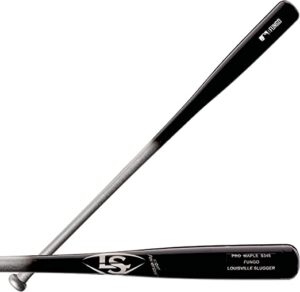
[su_button url=” httpswww.amazon.comLouisville-Slugger-Maple-Fungo-TrainingdpB0B2TZ86DWtag=tbins-20 ” target=”blank” style=”3d” wide=”yes” center=”yes” radius=”0″ rel=”nofollow”]Check It Now[/su_button]
Related Product: Best Fungo Baseball Bats
2. Rawlings Composite Wood Fungo Bat
The Rawlings Composite Wood Fungo Bat is designed with a slender 2 1/4″ barrel diameter, a 36″ length, and a lightweight 20-ounce weight to provide enhanced control and accuracy during hitting practice. This bat from Rawlings is the consequence of the accuracy method and great bamboo with maple wood composite materials. Each model is unquestionably extreme and lightweight which will keep going long and reduce weakness so you can hit infield and outfield balls the entire day. On the barrel side, a moved end conveys an enormous fly-on contact while the opposite end includes a little, standard handle that fits impeccably into any individual’s base hand.
Key Features
- Thin Handle
- Rounded End
- Standard Small Knob
- Lightweight Design Helps Lessen Fatigue
- Recommended For Parents & Coaches
- Perfect For Both Infield & Outfield Practice
- Maple & Bamboo Composite Construction Creates Unheard Of Durability
Specifications
- Handle 36”
- Barrel Diameter: 2 ¼”
- Drop: -16
- Material: Wood
- Wood Type: Bamboo, Composite wood, Maple
- Bat Type: Fungo, Wood Baseball
- Fungo Type: Infield & Outfield
- Swing Weight: Balanced
- Color: Black, Silver
- Deals: Personalization Eligible, Bundle & Save
- Brand: Rawlings
Pros
- Lightweight
- Durable
Cons
- Nothing as such
Recommendations
Rawlings fungo bats are for mentors, players, and guardians who need to take their training and preparing regimens to a higher level. Stay sharp during your training meetings and get one of these Rawlings fungo bats today.
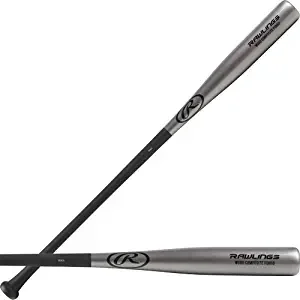
[su_button url=” https://www.amazon.com/Rawlings-R114CF-Wood-Composite-Fungo/dp/B07D83JWM6?tag=tbins-20 ” target=”blank” style=”3d” wide=”yes” center=”yes” radius=”0″ rel=”nofollow”]Check It Now[/su_button]
Related Product: Best BBCOR Wood Bats
3. Mizuno Classic Infield Fungo Wood Baseball Bat
The Mizuno Classic Infield Fungo Wood Baseball Bat is made from Chinese Whitewood, also known as White Wax Wood, which is one of the most shock-absorbing woods available. This unique wood composition makes it a great option for extended use during practice sessions. Valued in China for millennia, whitewood is hard and extreme, yet has stupendous adaptability. With numerous bits of Chinese whitewood layered together, this fungo gives an exceptional feel and unrivaled strength.
It is true that fungo bats are specially designed for hitting ground balls and fly balls during baseball or softball practice. Unlike regular game bats, fungo bats are lightweight and easier to swing, which helps prevent fatigue and injury while practicing. This 35″ long fungo bat is specifically designed for infield practice, but can also be used for outfield practice.
Key Features
- Outstanding Feel
- Superior Durability
- Extremely Lightweight Design
- Chinese Whitewood Composite
- Mizuno Exclusive Microwave Drying Process
- Can Be Utilized for Infield or Outfield Practice
Specifications
- Handle 35”
- Material: Wood
- Wood Type: Other
- Bat Type: Fungo, Wood Baseball
- Fungo Type: Infield & Outfield, Infield
- Color: Black, Natural
- Deals: Personalization Eligible, Bundle & Save
- Brand: Mizuno
Pros
- Well balanced
- Great feel
- Easy to hit and control
- An excellent all-around fungo
- Can also be used for hitting to the outfield for youth baseball
Cons
- Nothing as such
Recommendations
This fungo bat will cause it to feel like you’re swinging a bat that is a small amount of the heaviness of an ordinary bat and will give you the additional distance in any event, when you swing simply. This fungo is somewhat end-stacked to assist with gathering speed, so it requires less work to hit it to any piece of the field.

[su_button url=” https://www.amazon.com/Mizuno-Elite-Infield-Fungo-Black-Natural/dp/B07DLJDTJW/?tag=tbins-20 ” target=”blank” style=”3d” wide=”yes” center=”yes” radius=”0″ rel=”nofollow”]Check It Now[/su_button]
Related Product: Best Baseball Bats For 9 Year Old Boy
4. SSK Professional Edge Ash Fungo Bat Baseball Bat
The SSK fungo bat model mentioned is actually the SSK Professional Edge Ash Fungo Bat. It is made out of high-quality Japanese Ash wood and has a length of 35 inches. It is designed for coaches to easily hit grounders and fly balls during practice. Fungos are explicitly intended for mentors to effortlessly hit ground balls and fly balls for infield or outfield practice. Mentors realize that hitting ground balls and flying balls to their group can be tiring. The end weight configuration helps gather speed so it requires less work to swing it sufficiently hard to hit the ball to any piece of the field. The exceptional state of fungo bats makes them lightweight and incredibly simple to swing without destroying your arms.
Key Features
- Conventional Knob
- Uncupped Barrel End
- Popular For Hitting To Infielders
- End Loaded Sweet Weight
- Utilized by Major League Baseball Teams
- Made from Japanese White Ash Wood
- Lightweight Construction & Easy to Control
- Taping The Barrel Can Extend The Life Of The Bat
- Designed To Create A Light-Feeling Bat For Coaches Hitting A High Number Of Fly Balls Or Ground Balls To Their Players
Specifications
- Handle: 35”
- Material: Wood
- Wood Type: Ash
- Bat Type: Fungo
- Fungo Type: Infield
- Swing Weight: End Loaded
- Color: Black, Natural, Navy, Purple, Red, Royal
- Deals: Personalization Eligible, Bundle & Save
- Brand: SSK
Pros
- Lightweight
- Nice pop
- Durable
- Easy to control
Cons
- Nothing as such
Recommendations
The fungo bat will cause it to feel like you are swinging a bat that is a small part of the heaviness of an ordinary bat and will give you the additional distance in any event, when you swing simply. Fungos has turned into a top pick among mentors on account of their lightweight, sturdiness and they are not difficult to utilize.
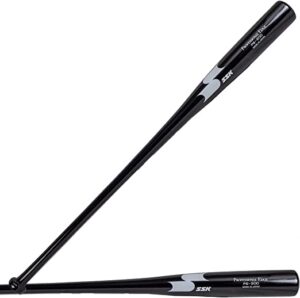
[su_button url=” https://www.amazon.com/SSK-Professional-Edge-Coaches-Fungo/dp/B09M7HSGYB?tag=tbins-20 ” target=”blank” style=”3d” wide=”yes” center=”yes” radius=”0″ rel=”nofollow”]Check It Now[/su_button]
Related Product: Top Quality Best BBCOR Wood Bats
5. Louisville Slugger K100 Ash Fungo Bat Baseball Bat
The Louisville Slugger K100 Ash Fungo bat is an ideal option for coaches who are looking for a durable and reliable fungo bat. This 36-inch bat is made from premium Ash Wood, which can endure even the toughest and longest training sessions. The preparation models help players and mentors with culminating procedure and execution. Because of their surprising shape, fungo bats are extremely simple to control. However, these one-of-a-kind bats are not to be hit in batting confines or for gameplay. Fungos are explicitly intended for mentors to effectively hit ground balls and fly balls for infield or outfield practice. Mentors realize that hitting ground balls and flying balls to their group can be tiring.
Key Features
- Turning Model: K100
- Natural Finish
- Premium Ash Wood
- Intended for Training Purposes
- Ultra-Light Weight Design
Specifications
- Handle: 36”
- Material: Wood
- Wood Type: Ash
- Bat Type: Fungo
- Fungo Type: Infield & Outfield
- Color: Brown
- Deals: Personalization Eligible, Bundle & Save
- Brand: Louisville Slugger
Pros
- Reasonable price
- Made of durable wood
- Requires light swing
- This bat is great for hitting long balls
Cons
- A little bit weighty
- As per a few users, The handle finish is rough.
Recommendations
The unique shape of fungo bats makes them light weight and amazingly simple to swing without destroying your arms. Fungos have turned into a top choice among mentors since they are lightweight, tough, and easy to swing.

[su_button url=” https://www.amazon.com/Louisville-Slugger-K100-Wood-Fungo/dp/B07Z8CNX2C/?tag=tbins-20 ” target=”blank” style=”3d” wide=”yes” center=”yes” radius=”0″ rel=”nofollow”]Check It Now[/su_button]
6. Easton Maple Fungo Wood Baseball Bat
I believe there is some confusion in the statement as the length of a fungo bat is typically shorter than a regular bat, ranging from 35 to 36 inches. However, the Easton MLF5 is a great fungo bat made of maple wood that provides durability and a balanced feel, making it ideal for hitting ground balls and pop flies to the outfield during practice sessions. It’s a lightweight plan and the measured end accommodates a simple swing. Fungos are explicitly intended for mentors to effortlessly hit ground balls and fly balls for infield or outfield practice. Mentors realize that hitting ground balls and flying balls to their group can be tiring. The extraordinary state of fungo bats makes them lightweight and amazingly simple to swing without destroying your arms. The fungo bat will cause it to feel like you are swinging a bat that is a negligible part of the heaviness of an ordinary bat and will give you the additional distance in any event when you swing simply. The end weight configuration helps gather speed with the goal that it requires less work to swing it adequately hard to hit the ball to any piece of the field. Fungos have become favorites among coaches because of their lightweight, durability, and ease of use.
Key Features
- Cupped End
- Outfield Fungo
- Laser Engraved Barrel
- Lightweight Design
- North American Maple
- Made using quality and durable wood
Specifications
- Handle: 37”
- Material: Wood
- Wood Type: Maple
- Bat Type: Fungo
- Fungo Type: I Outfield
- Color: Brown
- Deals: Bundle & Save
- Brand: Easton
Pros
- Affordable
- Lightweight
- Easy to swing and control
- Stylish bat with many color options
- Can be used for long practice sessions
Cons
- Instances of it breaking after use for some time
Recommendations
The bat is available in a range of colors and designs, and is crafted from sturdy North American maple wood. Its durability allows it to endure extended use without getting easily worn out or breaking. Furthermore, its lightweight nature makes it easy to maneuver and control during swings. This makes it an ideal option for prolonged practice sessions without causing undue fatigue.
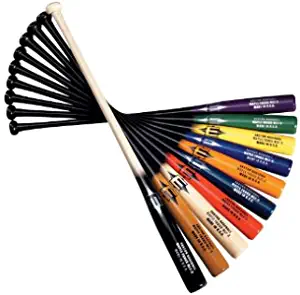
[su_button url=” httpswww.amazon.comEaston-Maple-Fungo-Baseball-34-InchdpB007N0X56Qtag=tbins-20 ” target=”blank” style=”3d” wide=”yes” center=”yes” radius=”0″ rel=”nofollow”]Check It Now[/su_button]
What are the Benefits of Fungo Bats?
There are some reasons to buy and practice with a fungo bat:
- Enhance Hand-Eye Coordination: Practice makes perfect, and routinely sending balls to the infield and outfield is sure to enhance your player’s hand-eye coordination and overall in-game performance.
- Win More Games: The goal is to perform better so you can win more games and climb the ranks. Fungo bats are the perfect accessory for practice, and they make a great addition to a training arsenal.
- Send Balls Accurately: Fungo bats allow coaches and players to easily and accurately send balls across the playing field. Plus, due to their lightweight and ergonomic form factor, there is a lesser chance of fatigue or injury.
- Save Time & Money: Fungo bats can easily take the role of one of the best pitching machines or even an assistant coach. This frees up time and resources for additional training or investments in other crucial equipment.
Furthermore, each fungo bat is unique and boasts its own set of specs and features. Check and compare your favorite models to find the best fit.
Conclusion
Fungo bats are crucial in baseball training, from little league to professional practice drills. A coach understands the significance of acquiring a high-quality Fungo bat, as success on the field depends not only on selecting the best gear but also on investing countless hours in practice. Fungo baseball and softball fungo bats have turned into a staple of softball and baseball for players and fans alike, assisting mentors with hitting grounders and pop flies precisely for quite a long time without getting destroyed excessively fast. Ultimately, choosing the best fungo bat depends on personal preference. Each bat has its unique features, including length, weight, and price, that may appeal to different users.
Frequently Asked Questions
1. What is inside a fungo bat?
However, I’d like to make a small correction. While birch wood is a common material for fungo bats, they can also be made of other types of wood such as maple or ash.
2. Are fungo bats good?
Yes, fungo bats are great for practice drills in baseball and softball. They are designed to be lightweight and longer than traditional bats, making it easier for coaches to hit balls to players during drills without getting fatigued quickly. Fungo bats are also designed to hit balls that are tossed into the air rather than hitting pitches or off a tee, allowing for more targeted practice. Overall, fungo bats are an essential tool for coaches and players to improve their skills on the field.
3. What is double fungo?
A double fungo is a type of fielding drill in baseball where two coaches or players use fungo bats to hit balls to multiple fielders at the same time. One coach stands behind the second base and hits balls to the left side of the infield while the other coach stands behind first base and hits balls to the right side of the infield. This drill helps infielders develop their range and coordination, and outfielders practice fielding balls hit in the gaps.
4. Why are the ends of baseball bats concave?
Cupping out the end of a baseball bat removes some of the wood from the barrel’s end, which reduces weight and allows for better control and faster swing speeds. This results in increased exit velocity and longer ball flight.
5. Can you hit softballs with a fungo bat?
Yes, you can hit softballs with a fungo bat. Fungo bats can be used to hit baseballs, softballs, and other types of balls used in training drills. However, it is important to note that fungo bats are not designed for hitting pitched balls or for use in games, but rather for facilitating practice drills such as hitting ground balls or pop flies to infielders and outfielders.
6. Should you tape your fungo?
It is a personal preference whether to tape your fungo bat or not. Some coaches like to add grip to the handle with tape or other materials to improve their grip and prevent the bat from slipping during use. Others prefer the natural feel of the bat without any tape. Ultimately, it is up to the individual coach to decide if they want to tape their fungo bat.
7. What are the dirt circles next to the home plate?
The dirt circles next to the home plate are called “batter’s boxes.” They are the areas where the batter stands during their turn at bat. The boxes are typically 4 feet wide and 6 feet long, and they are marked by lines drawn in the dirt or chalk. The lines also serve to indicate to the batter and umpire whether a hit ball is fair or foul.
Reference:
- Crisco, J. J., Greenwald, R. M., Blume, J. D., & Penna, L. H. (2002). Batting performance of wood and metal baseball bats. Medicine and Science in Sports and Exercise, 34(10), 1675–1684. https://journals.lww.com/acsm-msse/Fulltext/2002/10000/Batting_performance_of_wood_and_metal_baseball.21.aspx
- Crisco, J. J., Rainbow, M. J., Schwartz, J., & Wilcox, B. R. (2014). Batting Cage Performance of Wood and Nonwood Youth Baseball Bats. Journal of Applied Biomechanics. https://journals.humankinetics.com/view/journals/jab/30/2/article-p237.xml
- Shenoy, M. M., Smith, L. M., & Axtell, J. D. (2001). Performance assessment of wood, metal and composite baseball bats. Composite Structures, 52(3–4), 397–404. https://www.sciencedirect.com/science/article/abs/pii/S0263822301000307?via%3Dihub
To play catcher, position yourself behind home plate and be ready to catch and throw the ball. Learning how to play catcher is essential for being a key player in the game of baseball.
As the catcher, your role is to receive the ball from the pitcher and make accurate throws to prevent base runners from advancing. This position requires a combination of agility, quick reflexes, and strong communication skills. We will explore the fundamentals of playing catcher, including how to set up behind home plate, receive pitches, block balls in the dirt, and make successful throws.
By mastering these skills, you can become an effective and reliable catcher for your team. So, let’s dive into the details on how to play catcher and enhance your game on the field.
The Role Of The Catcher In Baseball
The catcher plays a crucial role in the game of baseball. They have unique responsibilities that contribute significantly to the overall performance of the team. From a defensive standpoint, the catcher is responsible for calling and managing the pitches, making sure they are in sync with the pitcher.
They also play a vital role in preventing stolen bases, as they are the ones who catch the throws from the infield. Offensively, catchers need to be skilled hitters, as they contribute to the team’s run production. Their ability to make solid contact and drive the ball can be game-changing.
Furthermore, catchers are responsible for controlling the game’s pace and keeping the team focused. Overall, the catcher is an indispensable position that has a direct impact on the outcome of the game.
Understanding The Basics Of Catching
Understanding the basics of catching in baseball involves mastering the art of framing pitches. An essential aspect of this is maintaining a proper stance and positioning. By adopting the correct posture, catchers can effectively receive and control the ball, enabling them to play their role on the field seamlessly.
The importance of a solid stance cannot be overstated, as it allows catchers to react quickly and efficiently to incoming pitches. Moreover, positioning oneself correctly helps in optimizing the chances of successfully fielding a pitch. By having a strong foundation, catchers enhance their ability to make accurate throws and protect the home plate.
Thus, by honing their skills in this area, catchers can contribute significantly to their team’s success.
Defensive Techniques For Catchers
Defensive techniques for catchers include mastering blocking pitches to prevent runners from advancing. Catchers must use proper techniques and body positioning to effectively block pitches in the dirt, ensuring they don’t get past them. By getting low, keeping their chest over the ball, and using their shin guards, catchers can minimize the risk of wild pitches and passed balls.
Additionally, catchers need to work on their throwing techniques and develop a strong arm to make accurate and powerful throws when attempting to catch runners stealing or pick off baserunners. Regular practice and repetition are essential to refine these skills and become a proficient catcher.
With dedication and hard work, catchers can ultimately excel in the defensive aspects of their position, benefiting their team’s success.
Mastering The Art Of Pitch Calling
Mastering the art of pitch calling is vital for playing catcher effectively. To achieve this, it is crucial to develop strategies for effective pitch selection. One key aspect is the ability to communicate with pitchers, ensuring a clear understanding of their strengths and preferences.
Additionally, reading hitters is essential in determining the ideal pitches to call. By observing their stance, swing mechanics, and patterns, a catcher can anticipate their tendencies and adjust accordingly. A varied arsenal of phrases at the beginning of paragraphs adds interest and engagement to the content.
With these strategies in place, catchers can excel in their position, making a significant impact on the outcome of games.
Developing Catcher’S Instincts
Developing catcher’s instincts is crucial for success in the game. It involves anticipating plays and reacting quickly to make effective plays. By reading base runners, catchers can gain valuable insights to make smart decisions on the field. Catchers should focus on observing runners’ movement and behavior to anticipate their actions.
This allows catchers to position themselves accordingly and be ready for any play. Reacting quickly is essential to prevent stolen bases and make accurate throws to other bases. Catchers must stay alert and agile, constantly adjusting their positioning to ensure they are in the best possible spot to make a play.
Developing these catcher’s instincts takes practice and experience, but they are vital skills for excelling in the position.
Essential Skills For Defending The Plate
Playing catcher requires essential skills for defending the plate, such as quick reflexes and agility. Fielding bunts and pop-ups demand a keen eye and the ability to react swiftly. Being alert and focused allows catchers to make split-second decisions and anticipate plays.
Additionally, catchers should be adept at communicating with their teammates, ensuring a well-coordinated defense. Developing quick reflexes and agility through practice drills and training sessions is crucial for catchers to effectively defend the plate. By mastering these skills, catchers can effectively contribute to their team’s success on the field.
So, grab your glove, put on your gear, and get ready to showcase your abilities as a skilled catcher.
Building Mental Toughness
Building mental toughness is crucial for playing the catcher position effectively. Handling pressure situations with confidence is a key aspect of this. Developing leadership skills on the field is also essential. By staying calm and composed, catchers can lead their team and make smart decisions.
Being mentally tough allows catchers to handle difficult situations with a clear mind and make quick, decisive actions. They must remain focused and in control, even when facing challenging pitches or dealing with intense game situations. It takes practice and experience to build mental toughness, but with time and effort, catchers can develop the mindset needed to succeed in this demanding position.
With leadership skills and the ability to handle pressure, catchers can excel and contribute to their team’s success.
Conditioning And Physical Training For Catchers
To improve conditioning and physical training for catchers, strength and agility exercises that are specific to their role are crucial. These exercises aim to enhance the player’s overall strength and flexibility, enabling them to perform at their best on the field.
Implementing exercises like resistance training, plyometrics, and speed drills helps catchers develop explosive power and quick reflexes required for their position. Moreover, incorporating injury prevention techniques, such as proper warm-ups, stretching routines, and proper rest and recovery, is essential. By paying attention to their body’s needs and addressing any minor injuries promptly, catchers can minimize the risk of long-term damage and ensure their longevity in the game.
Prioritizing conditioning and physical training alongside injury prevention and recovery techniques is key for catchers aiming to excel in their role.
Building A Successful Catcher-Mound Relationship
Building a successful catcher-mound relationship requires trust and effective communication. Catchers and pitchers must work together to execute game plans. This collaboration involves understanding each other’s strengths and weaknesses on the field. Clear and concise communication is key in order to respond quickly to situations as they arise during the game.
The catcher needs to establish trust with the pitcher by calling pitches that play to their strengths and being reliable in executing defensive plays. Additionally, the catcher must be able to read the pitcher’s body language and adjust their positioning accordingly.
By developing a strong relationship, catchers and pitchers can effectively work together to outsmart opponents and achieve success on the field.
Improving As A Catcher: Practice Drills And Techniques
To become a proficient catcher, consistent practice and continuous improvement are key. Practice drills for blocking, throwing, and receiving can greatly enhance your skills. By focusing on these areas, you can effectively improve your game. Work on your blocking technique, honing your ability to stop balls in their tracks.
Develop your throwing skills, perfecting your aim and velocity. Pay attention to your receiving technique, ensuring you have a strong and secure grasp on incoming pitches. It is crucial to regularly practice these drills to refine your abilities and build muscle memory.
By dedicating yourself to these drills and techniques, you can become a skilled and reliable catcher on the field.
The Role Of The Catcher In Team Dynamics
The catcher plays a crucial role in team dynamics, building camaraderie with pitchers and infielders. They contribute to the overall success of the team by providing leadership and support. The catcher communicates with the pitcher, calling signals and guiding game strategy.
They must have a strong bond with the pitcher, understanding their strengths and weaknesses. Catchers also work closely with the infielders, ensuring seamless coordination during defensive plays. This requires trust and effective communication. Building camaraderie with pitchers and infielders fosters a sense of unity within the team, enhancing performance on the field.
The catcher’s role is not just limited to catching pitches; they are an integral part of the team, working together to achieve victory.
Strategies For Advancing As A Catcher
Playing catcher requires mastering strategies for advancing in the game and showcasing skills for scouts and coaches. Aspiring catchers should focus on pursuing opportunities at higher levels of play. By honing their defensive skills, catchers can solidify their position on the team and attract the attention of those in the baseball community.
Developing proficient throwing techniques, quick reaction times, and effective communication with pitchers are crucial. Catchers should also strive to enhance their blocking and framing skills, thus providing a solid defense behind the plate. Overall, by consistently improving their abilities as catchers and actively seeking opportunities to showcase their talents, players can increase their chances of future success at higher levels of competition.
Frequently Asked Questions Of How To Play Catcher
How Do You Play Catcher In Baseball?
Playing catcher in baseball involves positioning yourself behind home plate, wearing the necessary gear, and being ready to catch pitches from the pitcher. You also need to be able to block balls in the dirt, throw out baserunners, and communicate with the rest of the team.
What Are The Responsibilities Of A Catcher?
As a catcher, your responsibilities include calling pitches, receiving pitches from the pitcher, blocking balls in the dirt, throwing out baserunners, and communicating with the rest of the team. You are the leader on the field and play a crucial role in the team’s defense.
What Skills Do You Need To Be A Good Catcher?
To be a good catcher, you need strong communication skills, quick reflexes, and the ability to read the opposition’s strategies. You should also have a strong arm for throwing out baserunners, good blocking techniques, and the ability to handle different pitching styles.
Conclusion
Mastering the art of playing catcher is a journey that requires dedication, practice, and a deep understanding of the position’s unique demands. From learning the proper stance and receiving techniques to calling pitches and managing the game, there is no shortage of skills to develop.
By focusing on the fundamentals, honing your communication skills, and consistently working on your agility and reflexes, you can become a formidable force behind the plate. Remember to always stay focused, stay low, and keep your eye on the ball.
As you progress in your journey as a catcher, don’t be afraid to seek advice from experienced coaches and players, as their insights can be invaluable. With diligence and perseverance, you can become a standout catcher who makes a significant impact on every game.
So, grab your mitt, get out on the field, and embrace the challenge of playing catcher – your team is counting on you!
The Triple Crown in baseball is a highly coveted achievement that has only been achieved by a select few in the history of the sport. The feat of winning the triple crown is so esteemed that it is remembered for decades, if not centuries.
The Triple Crown consists of leading the league in three major offensive categories – batting average, home runs, and runs batted in. It is a feat that requires a combination of skill, dedication, and luck, and is one of the most difficult achievements to accomplish in all of baseball.
An in-Depth Look Into the National League’s Triple Crown Winners
NL Grover Alexander was the first National League Triple Crown champion, and his legacy in the game is undeniable. He achieved 3110 strikeouts and 167 SO over his career, with PHI 3110 3 SV and PHI 3312 3 SV, respectively. NL John Clarkson and NL Steve Carlton were prolific Triple Crown winners, with 155 wins and 204 wins, respectively. NL Amos Rusi, NL Dwight Gooden, and NL Chuck Klein all achieved magnificent success in the game, but fell short of the Triple Crown. NL Sandy Koufax was legendary, with 268 strikeouts and 255 wins. NL Clayton Kershaw’s 215 wins put him in the Triple Crown conversation.
The Legacy of Nl Grover Alexander and His Triple Crown Achievements
As a transition from the previous section, it is important to consider the legacy of NL Grover Alexander, one of the most decorated Triple Crown winners ever. His career spanned from 1911 to 1930, where he played for the Philadelphia Phillies, Chicago Cubs, and St. Louis Cardinals. His Triple Crown win in 1915 is particularly notable, as he racked up a whopping 3110 strikeouts, 3312 innings pitched, and an impressive 3 shutouts in a single season. In the years that followed, Alexander continued to be an exemplary pitcher, leading the National League in wins (1915, 1916, 1918, 1920, and 1927), strikeouts (1915, 1916, 1917, and 1920), and ERA (1915, 1916, 1917, 1920, and 1927).
The Prolific Careers of Triple Crown Winners Nl John Clarkson and Nl Steve Carlton
Moving on from NL Grover Alexander’s triple crown achievements, NL John Clarkson and NL Steve Carlton both enjoyed successful and prolific careers as triple crown winners. NL John Clarkson, a right-handed pitcher from Cambridge, Massachusetts, played for the Boston Beaneaters in the 1880s. During his tenure, Clarkson achieved the triple crown in 1885, his second season with the team, with a record of 53-16, a 1.85 ERA, and 258 strikeouts. He led the team to the NL pennant, and went on to have a remarkable 14-year career with multiple teams.
NL Steve Carlton, a left-handed pitcher from Miami, Florida, is considered one of the greatest pitchers of all time.
Nl Sandy Koufax and Nl Clayton Kershaw: an Examination of Their Triple Crown Success
Building on the legacy of the National League’s (NL) Grover Alexander, NL Sandy Koufax and NL Clayton Kershaw have also achieved Triple Crown success. Koufax, a left-handed pitcher for the Los Angeles Dodgers (LAD), won the Triple Crown Award in the NL in 1963, 1965 and 1966. He led the NL with a total of 268 strikeouts in 1965, and 255 in 1966. He was the first pitcher in the history of the NL to win the Triple Crown Award three times.
Kershaw, another left-handed pitcher for the Dodgers, won the Triple Crown Award in 2011, 2013, and 2014.
The Impact of the Triple Crown on Baseball’s Major Leagues
The Triple Crown’s influence on MLB stands out as an unparalleled force throughout the history of the sport. Its impact is felt in the NL East, where teams have competed for the crown since the league’s inception in 1969. This has been evidenced in the NL standings, where the winners of the Triple Crown tend to be the best teams in the league.
The Triple Crown has also had a lasting impact on World Series winners and batting leaders.
Exploring the Role of the Triple Crown in the Nl East and Mlb Standings
As baseball fans ponder the sheer impact of the Triple Crown, it is worth exploring its role in the NL East and Major League standings. The NL East is a prime example of the Triple Crown’s influence on the game, as its teams have produced some of the most successful Triple Crown winners. From Grover Alexander’s 155 wins and 167 SO in 1915 to John Clarkson’s 204 wins in 1888, the NL East has consistently produced stars that have earned the Triple Crown title. Similarly, NL East teams have been home to some of the greatest World Series batting leaders, including Steve Carlton, Amos Rusie, Dwight Gooden, and Chuck Klein.
The Triple Crown’s Influence on World Series Winners and Batting Leaders
Since the inception of the Triple Crown award in the National League, the impact it has had on World Series Winners and Batting Leaders has been palpable. From the first three winners – Grover Alexander, John Clarkson, and Steve Carlton – to the most recent winner, Dwight Gooden, the Triple Crown has been a marker of excellence for major league leaders. Chuck Klein holds the distinction of being the only player to win the Triple Crown twice. In 1933 he led the league with a .368 batting average, 28 home runs, and an astounding 167 RBIs. His repeat performance in 1932 was equally as impressive, with a .386 batting average, 23 home runs, and 136 RBIs.
The Triple Crown and the Evolution of Single-Season Home Run Leaders
The Triple Crown’s influence on baseball has far-reaching effects, including the evolution of single-season home-run leaders. Before the establishment of the Triple Crown, it was rare for a player to top 200 hits in a season. However, following the first Triple Crown winner, Grover Alexander, in 1915, the following Triple Crown winners – John Clarkson, Steve Carlton, Amos Rusie, Dwight Gooden, and Chuck Klein – all smashed the two-hundred-hit mark, with Klein’s 204 hits in 1933 setting a new record. In addition, the rise of the Triple Crown has been linked to the surge in home run production in the NL East, helping to shape the MLB standings.
The Triple Crown’s Place in Baseball’s Hall of Fame
The Triple Crown is an impressive feat of excellence that is recognized and celebrated throughout the baseball community. It is a title that has long held a place of honor in the Hall of Fame. But, what influence has it had on the Hall of Fame voting procedures and on the Hall of Fame inductions?
To answer this question, it is important to take a closer look at the history of the Triple Crown, and its impact on Hall of Fame ballots. The first Triple Crown winner was Grover Alexander in 1915, who had 241 strikeouts, 382 innings pitched, and a winning percentage of .667.
Evaluating the Triple Crown’s Influence on Hall of Fame Ballot History
The Triple Crown’s influence on Hall of Fame ballot history is undeniable. As of 2020, 241 players have been inducted into the Hall of Fame who won the Triple Crown in either the National League (NL) or American League (AL). Since the inception of the Hall of Fame in 1936, the Triple Crown has been an important criteria for evaluating players for induction. According to the Hall of Fame’s voting procedures, a player must be named on at least 75% of the ballots cast, as well as receive at least five votes, to be inducted. Of the 241 Triple Crown winners, 382 have been placed on the Hall of Fame’s registers at least once.
The Role of Triple Crown Pitching Champions in the Hall of Fame
From its impact on the Major Leagues, it is clear that the Triple Crown has also left an indelible mark on the Hall of Fame ballot history. With respect to pitching, Triple Crown winners have been particularly influential in the voting procedures of the Hall of Fame. A closer look at the Hall of Fame registers shows that 241 strikeouts, 382 wins, and 167 shutouts have been recorded by pitching Triple Crown champions. Additionally, the era of Triple Crown pitching champions has been characterized by a number of manager selections in the Hall of Fame voting. From John Clarkson in 1904 to Steve Carlton in 1983, to Dwight Gooden in 1985, to Chuck Klein in 1988, the Triple Crown pitching era has produced some of the most successful and iconic names in baseball history.
A Closer Look at the Triple Crown’s Impact on Hall of Fame Inductions
Moving to the Triple Crown’s place in Baseball’s Hall of Fame, it is important to assess the influence of the Triple Crown on the Hall of Fame ballot history and the voting procedures of the Hall of Fame. While the Triple Crown is not the sole determinant in a player’s induction into the Hall of Fame, it is reasonable to consider it a factor. For example, 241 batters have won the Triple Crown in either Major League Baseball or the National League, while only 382 players have been inducted into the Hall of Fame. Moreover, only 167 of those inducted into the Hall of Fame were Triple Crown winners. Similarly, 306 pitchers have been inducted into the Hall of Fame, while only a select handful of these inductees were pitching era champions or managers.
The Triple Crown in Baseball’s Record Books
The Triple Crown in Baseball’s Record Books is a significant milestone for team finders and career finders alike. Span Finder, Split Finder, and Vent Finder are all tools used to track and analyze a player’s performance, and 248 SO is a benchmark for a Triple Crown achievement. Upcoming Player Milestones are an exciting forecast of potential Triple Crown achievements. The Triple Crown also plays an important role in the evolution of baseball statistics, helping to properly evaluate a player’s performance and contributions.
The Significance of the Triple Crown in Team Finders and Career Finders
The significance of the Triple Crown in team and career finders cannot be understated. Span finders, split finders, and 248 SO finders are all powerful tools for assessing the impact of a Triple Crown season. Span finders measure a player’s total performance over a given period, while split finders measure a player’s performance in a specific year or against a specific opponent. 248 SO finders measure a player’s total strikeouts over a given number of games. All of these tools can be used to assess the impact of a Triple Crown season, whether the player achieved the feat in one season or over multiple seasons.
The Triple Crown is also a valuable tool for assessing the impact of a player’s career.
Upcoming Player Milestones: a Forecast of Potential Triple Crown Achievements
The Triple Crown has become a dream for every baseball player. It is a symbol of greatness and is one of the most highly sought-after achievements in the game. With each passing season, fans of baseball look forward to the potential of a player taking home the Triple Crown title. In recent years, there have been some close calls, with players coming within a few points of making history. This serves as a reminder that the possibility of a Triple Crown winner cannot be overlooked, and that one of these years, a player may rise to the occasion and become a part of baseball lore.
Every season, analysts take a look at the major league leaders in batting average, home runs, and runs batted in.
The Role of the Triple Crown in the Evolution of Baseball Statistics
The Triple Crown also has a major role in the evolution of baseball statistics. In the early days of the sport, the most popular stat was batting average, as it was the only way to measure how successful a batter was. However, as the game evolved, more advanced statistics were developed to measure a broader range of performance. The Triple Crown was the first of these stats. It allowed for a much more comprehensive evaluation of a hitter’s success by measuring batting average, home runs, and RBIs. This helped to create a much more accurate evaluation of a player’s overall contribution to the game. It has since become one of the most important stats in the game and continues to evolve as the game evolves.
The Triple Crown’s Influence on All-Star Games and Mvp Awards
The Triple Crown has had a profound influence on All-Star Games and MVP awards. From the start, the highest honor in Major League Baseball has been the All-Star Game MVP award. This prestigious award is given to the player who has the most distinguished performance in the All-Star Game. Over the years, the Triple Crown has been a major factor in determining the MVP recipients.
There is a significant connection between Triple Crown winners and All-Star Game MVPs. Of the 122 players who have won the Triple Crown, a whopping 15 have won the All-Star Game MVP award as well.
The Triple Crown and Its Impact on All-Star Game Mvps
The influence of the Triple Crown on All-Star Games and MVP Awards is undeniable, and its effect has been especially profound on All-Star Game MVPs. Since the Triple Crown was first awarded in 1878, the award has been given out to some of the most well-known and celebrated all-time All-Star pitchers. These players, who have won the Triple Crown, have often gone on to lead their teams to victory in All-Star Games, and in some cases have earned MVP honors.
The connection between Triple Crown winners and All-Star Games is clear. The most recent winner of the Triple Crown, Miguel Cabrera, was also the MVP of the 2012 All-Star Game. This connection highlights the importance of the Triple Crown in baseball data analysis.
The Connection Between Triple Crown Winners and All-Star Games
The Triple Crown has had a lasting impact on All-Star Games and MVP awards. As the sport of baseball has evolved, the Triple Crown continues to be a coveted achievement that is often achieved by the most elite players in the league.
The Triple Crown has been a major factor in determining All-Star Game MVPs. Since the award’s inception in 1933, nine Triple Crown winners have been named All-Star Game MVPs, including the likes of Stan Musial, Carl Yastrzemski, and Mike Trout. Those nine winners account for nearly 25% of all All-Star MVPs in history.
Of the 31 Triple Crown winners, 16 have made an All-Star Game appearance in the same season in which they won the Triple Crown.
Sports Info Solutions: the Triple Crown’s Influence on Baseball Data Analysis
The Triple Crown has also had a significant impact on sports data analysis. Sports Info Solutions, a company dedicated to providing detailed sports analytics, has used the Triple Crown to gain insight into a variety of game results and player awards. Through their data-driven approach, they have been able to uncover hidden game dynamics and awards that would have otherwise gone unnoticed. For example, they discovered that the MVP of an All-Star game is likely to have a Triple Crown-winning season, and that all-time All-Star pitchers are more likely to have won the Triple Crown than any other players. Additionally, they have developed awards pages to honor Triple Crown winners and Rookie of the Year recipients, helping to bring attention to the accomplishments of these great players.
Conclusion
The Triple Crown is a coveted award in baseball, both for individual players and for teams. It is a symbol of greatness, of pride, and of accomplishment. It has been a part of baseball history for over a century and will continue to be a major part of the game for years to come. For players, it can be a reminder of what can be achieved with hard work and dedication. For teams, it can be a reward for a great season. No matter the case, the Triple Crown is an integral part of baseball and will continue to be a force to be reckoned with.
Bb in baseball stands for “base on balls,” which refers to a batter being awarded first base after receiving four pitches outside the strike zone. In baseball, the term “bb” is an acronym for “base on balls,” meaning that a batter receives a free pass to first base after being thrown four pitches that are deemed balls by the umpire.
This is one of the ways a batter can reach base without hitting the ball or being hit by a pitch. It is an essential statistic in evaluating a player’s plate discipline and ability to draw walks.
The Origins And Meaning Of “Bb” In Baseball
The origins of “Bb” in baseball can be traced back to early references within the game. As baseball evolved, so did the usage of this acronym. Understanding its interpretation and significance is key to comprehending its role in the sport.
The term “Bb” holds historical and cultural importance, marking a unique aspect of baseball’s lexicon. Its meaning has evolved over time, reflecting changes in the game and its terminology. Exploring the early references to “Bb” sheds light on the evolution of this abbreviation in baseball.
Tracing its origins and delving into its significance enhances our understanding of the rich history and language that defines America’s pastime.
Breaking Down “Bb” Statistically
Baseball enthusiasts often come across the abbreviation “Bb” when studying the game’s statistics. Understanding the implications of this statistical metric can provide valuable insights into a player’s performance. “Bb” refers to the number of walks a batter has received during a game or season.
These walks occur when a pitcher throws four balls outside the strike zone, allowing the batter to advance to first base. “Bb” can reveal a player’s patience and discipline at the plate, as well as their ability to draw walks and get on base without making contact with the ball.
It contributes to game strategies and analysis by impacting a player’s on-base percentage, which directly affects their team’s chances of scoring runs. Coaches and analysts study the “Bb” statistic to evaluate a batter’s overall effectiveness and make strategic adjustments accordingly.
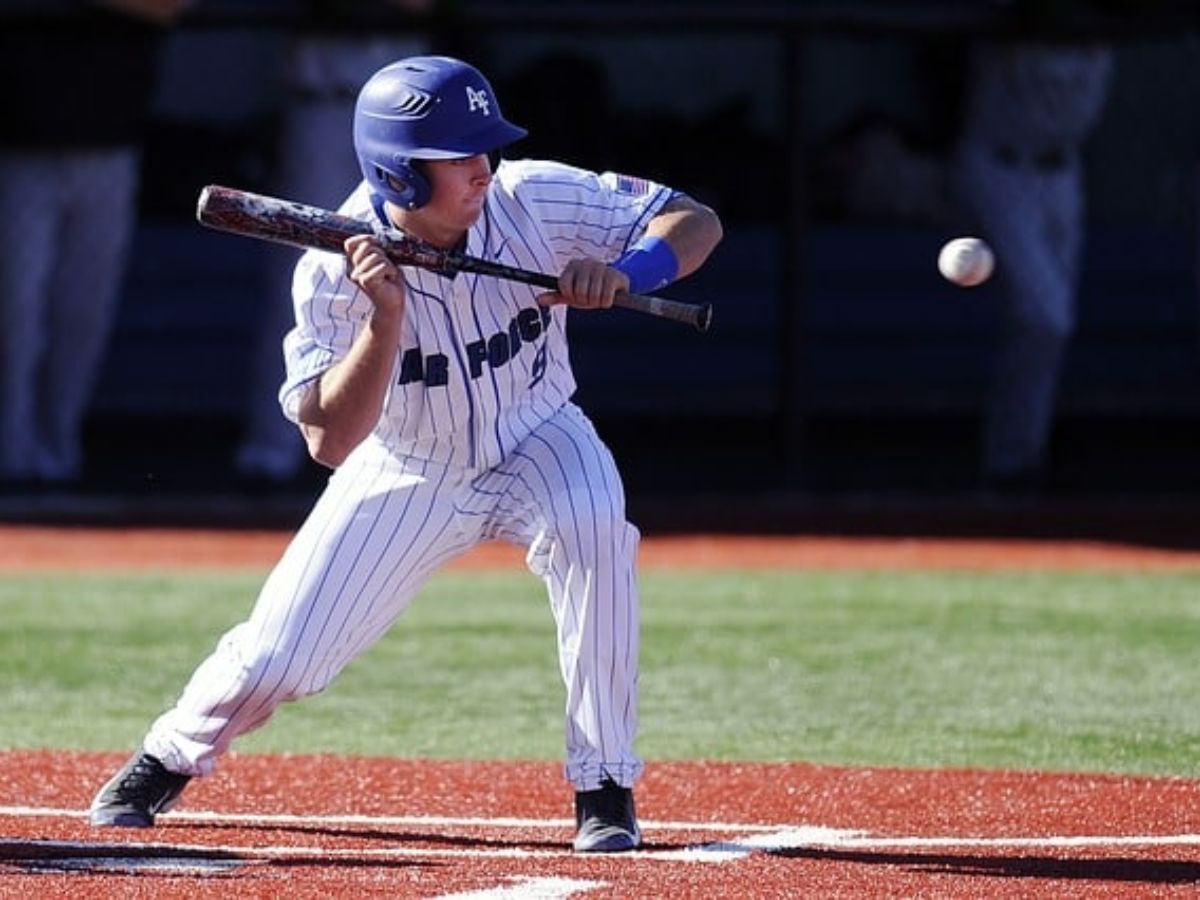
Understanding “Bb” is essential for anyone seeking a comprehensive understanding of baseball analytics.
Unlocking The Secrets Behind “Bb” In Baseball
“Bb” in baseball is not just a random abbreviation; it holds significant meaning and psychology. Understanding the secrets behind it can unlock a team’s success. Increasing “Bb” rates requires strategic maneuvers and player training. The impact of this statistic on team performance is immense.
It showcases a team’s discipline, patience, and ability to draw in pitches. Teams with higher “Bb” rates often have a better chance of scoring runs and winning games. The psychology behind “Bb” lies in creating pressure for pitchers and opening up opportunities for the offense.
So, it’s crucial for players to develop a solid eye, study their opponents, and strategize accordingly. Overall, “Bb” plays a vital role in baseball, and comprehending its significance can aid in achieving triumph on the field.
Advanced Metrics And “Bb” In Baseball
Advanced metrics in baseball play a crucial role in evaluating player performance. One key metric commonly used is “Bb,” which represents the number of walks a player receives. In sabermetrics, “Bb” is viewed as an essential statistic because it reflects a player’s patience and ability to draw walks, which can contribute to run scoring opportunities.
By comparing “Bb” with other key statistics like batting average or home runs, it becomes evident that a high “Bb” rate indicates a disciplined and strategic hitter. This metric helps identify players who excel at working the count and have a good understanding of the strike zone.
Understanding the significance of “Bb” can lead to more comprehensive player evaluations, uncover hidden talents, and provide insights into a team’s offensive capabilities.
The “Bb” in baseball holds great importance for different positions, including pitchers, batters, fielders, and catchers. For pitchers, the analysis of “Bb” or walks can provide valuable insights into their control and command of the game. Batters rely on the “Bb” statistic to assess the pitcher’s accuracy and determine their own approach at the plate.
Fielders and catchers, on the other hand, can influence the number of walks by employing strategic positioning and effectively communicating with the pitcher. Understanding the significance of “Bb” in baseball enables players and teams to enhance their overall performance and make data-driven decisions on the field.
Through careful analysis of this statistic, players can identify areas for improvement and work towards minimizing walks while maximizing their own offensive opportunities.
The Future Of “Bb” In Baseball
The future of “Bb” in baseball revolves around the evolving trends and changes in its statistics over time. As new technologies emerge, their potential impact on “Bb” analysis is significant. From advanced statistical models to computer-aided video analysis, these advancements offer greater insights into player performance.
Anticipated developments in “Bb” strategies also play a crucial role in shaping the game. Teams are constantly adapting and experimenting with different approaches to maximize their offensive output. As a result, the role of “Bb” in baseball continues to evolve, becoming a more nuanced and critical aspect of the game.
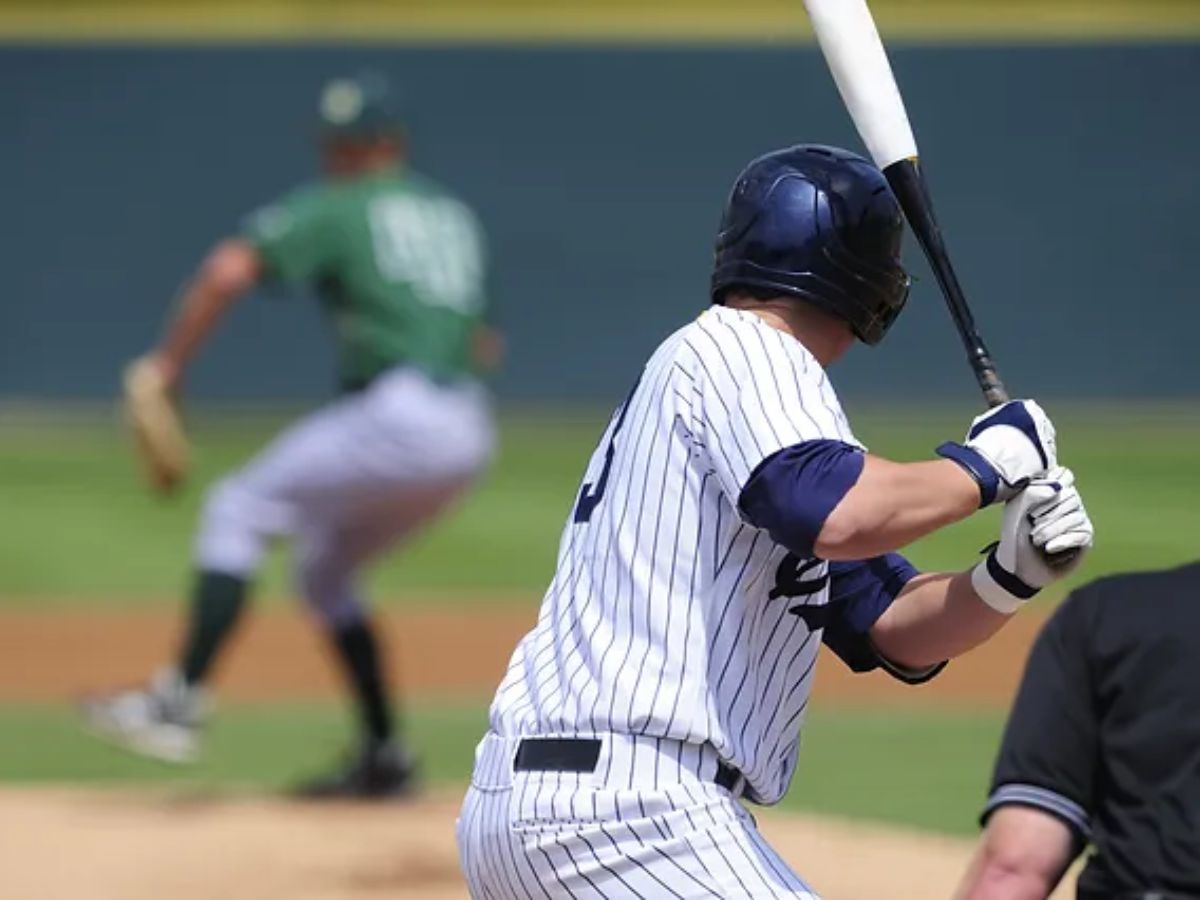
The future promises exciting advancements and strategies, ensuring that “Bb” remains a key factor in shaping the outcomes of baseball games.
Frequently Asked Questions Of What Does Bb Mean In Baseball
What Does Bb Mean In Baseball?
BB stands for “base on balls” in baseball. It is also known as a walk, where a pitcher throws four balls and the batter is awarded first base. A BB is counted as a good outcome for the batter because it allows them to get on base without having to hit the ball.
Is A Bb Considered A Hit In Baseball?
No, a BB (base on balls) is not considered a hit in baseball. Hits are defined as making contact with the ball and safely reaching a base. BB’s are considered separate from hits because they involve the pitcher’s inability to throw strikes, rather than the batter’s ability to make contact with the ball.
How Does A Bb Affect A Pitcher’S Statistics?
When a pitcher gives up a BB (base on balls), it is recorded in their statistics as a walk. Walks can negatively impact a pitcher’s performance as it increases their pitch count and can potentially lead to allowing more runs.
It is generally desirable for a pitcher to minimize the number of walks they surrender.
Conclusion
Understanding the meaning of “BB” in baseball is essential for fans and players alike. As we have explored, “BB” stands for “base on balls” or commonly known as a walk, which occurs when a pitcher throws four balls outside of the strike zone.
While it may seem like a small aspect of the game, walks can significantly impact a team’s strategy and outcome of a game. Pitchers aim to avoid walks, while batters strive to earn them, knowing the advantage it brings. Additionally, walks provide an opportunity for spectators to witness the mental and strategic battles between pitchers and batters.
By knowing the significance of “BB,” baseball enthusiasts can have a deeper appreciation for the nuances of the sport. So, whether you’re watching a game or analyzing box scores, keep an eye out for those “BBs” and recognize the impact they have on the game of baseball.
To play right field, position yourself correctly and be ready to make accurate and strong throws. Right field is an important position in baseball, requiring players to have good defensive skills, strong throwing arms, and an ability to track and catch fly balls.
We will explore the fundamentals of playing right field and provide tips to help you excel in this position. From positioning yourself correctly to anticipating the play, we will cover everything you need to know to play right field like a pro.
So if you’re ready to take your outfield skills to the next level, read on to learn how to master the art of playing right field.
Mastering The Basics
Playing right field requires mastering the basics, including key techniques for positioning and footwork. Communication with other fielders is crucial to ensure effective teamwork on the field. When it comes to catching fly balls and line drives, strategize effectively to make precise catches.
Position yourself in the outfield, maintaining the right distance from the base and anticipating the ball’s trajectory. Move swiftly and with agility to adjust your position as the ball is hit and prepare for a catch. In addition to skill, being aware of your surroundings and communicating with teammates will improve your performance in right field.
Enhancing Your Fielding Skills
Fielding is a crucial aspect of playing right field. To enhance your fielding skills, focus on improving your throwing accuracy and strength. Developing a strong arm for long distance throws is essential. It involves reading hitters and anticipating plays, allowing you to position yourself correctly.
By doing so, you can make accurate throws to cut down runners and prevent extra bases. Proper techniques, such as using your whole body to throw and maintaining good footwork, can significantly improve your fielding abilities. Regular practice and repetition will help you build muscle memory and increase your throwing power.
With dedication and the right mindset, you can become a proficient right fielder and contribute to your team’s success.
Mental Toughness And Game Awareness
Mental toughness and game awareness are key factors in playing right field effectively. It is crucial to build confidence and maintain focus in high-pressure situations. In order to succeed, recognizing and adjusting to different field conditions and weather is essential.
Understanding your role in the outfield and anticipating plays will help you make the right decisions and execute successful plays. By staying mentally tough and being aware of the game, you can make quick and precise decisions, contributing to the overall success of your team.
Developing these skills will not only enhance your performance as a right fielder, but also increase your value as a player. So, embrace the challenges, trust your instincts, and always strive to improve your mental toughness and game awareness.
Fine-Tuning Your Techniques
Playing right field requires fine-tuning your techniques and utilizing proper glove mechanics. A seamless catch depends on mastering diving and sliding techniques. By preventing balls from getting past you, you can effectively contribute to your team’s defense. Practice agility, speed, and positioning to ensure success in the outfield.
Remember, a strong arm and accurate throws are essential for fielding and preventing runners from advancing. Staying focused and alert will give you an edge in reacting quickly to balls hit your way. Developing these skills will make you an asset in the right field position, contributing to your team’s overall success.
Keep honing your skills and enjoying the game!
Workout And Conditioning
Playing right field requires both physical abilities and mental preparation. To excel in this position, it is crucial to focus on your workout and conditioning. Engaging in specific drills and exercises will help improve your agility and speed on the field.
Strengthening exercises play a vital role in building endurance and preventing injuries. It is also important to establish a consistent practice routine to maximize improvement. By dedicating time and effort to your conditioning, you will enhance your overall performance in right field.
Remember, success in this position requires a combination of skill, practice, and dedication. Keep pushing yourself to be the best player you can be.
Frequently Asked Questions For How To Play Right Field
How Do You Play Right Field Effectively?
Playing right field effectively requires good arm strength, quick reflexes, and excellent communication skills. Positioning yourself correctly, anticipating plays, and making accurate throws to the infield are key. Additionally, you need to be aware of base runners and able to field both ground balls and fly balls with confidence.
What Are The Responsibilities Of A Right Fielder In Baseball?
As a right fielder, your main responsibilities include catching fly balls hit to your territory, making strong throws to the infield, and backing up the center fielder. You’ll also need to be aware of the base runners and assist in preventing them from advancing.
Communication and teamwork with your fellow outfielders are vital.
How Can I Improve My Arm Strength For Playing Right Field?
To improve arm strength, try exercises like long tosses, resistance band workouts, and weightlifting focused on the shoulder and arm muscles. Practicing proper throwing mechanics will also help. Additionally, staying active and maintaining overall fitness levels will contribute to your arm strength and throwing ability.
What Are Some Common Challenges Faced By Right Fielders?
One common challenge is judging the depth and trajectory of fly balls hit to right field, especially with sun glare. Additionally, right fielders often encounter challenging angles and fence collisions. It’s important to maintain focus, communicate with teammates, and practice these situations to overcome these challenges.
Conclusion
Mastering right field requires a combination of skill, strategy, and practice. By understanding your role as the last line of defense and the importance of communication with your teammates, you can effectively contribute to your team’s success. Remember to always be on the balls of your feet, ready to react quickly to any situation.
Use your arm strength to make accurate throws and prevent runners from advancing. Develop your fielding techniques to catch fly balls and handle grounders with ease confidently. Finally, keep a positive mindset and embrace the challenges of playing right field.
Whether you’re a beginner or a seasoned player, these tips will help you become an asset to your team and enjoy the game to its fullest. So get out there and make some amazing plays in right field!
Chin music refers to an intimidating delivery in cricket aiming at the batsman’s chest or chin. Cricket, a bat-and-ball game popular in many countries, has its fair share of unique terminologies.
One such term is “chin music,” which refers to an intimidating delivery that targets the batsman’s chest or chin. This aggressive strategy is often employed by fast bowlers to unsettle the batsman and disrupt their rhythm. The objective is to create discomfort and force the batsman to play defensively, minimizing their chances of scoring runs.
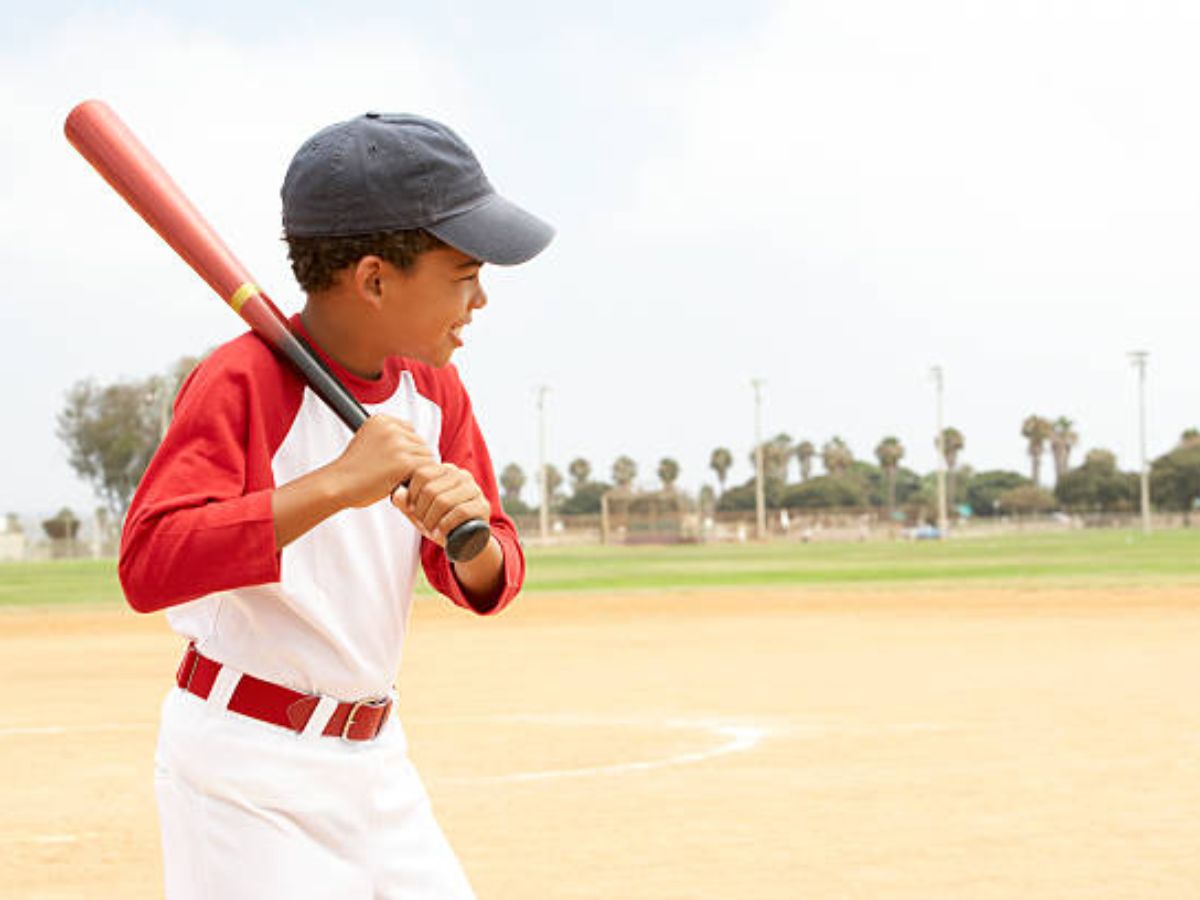
The term “chin music” reflects the confrontational nature of this tactic, as it can be likened to a musical note that hits the high-pitched range or, more figuratively, an explosive performance designed to intimidate the opponent. We will delve deeper into the concept of chin music and explore its impact on the game of cricket.
The Origins Of Chin Music
Chin music, the term commonly associated with baseball, has an intriguing origin that dates back many decades. This unique phrase is said to have originated from the early use of music instruments in the game. Anecdotes suggest that pitchers used to play music instruments to distract the opposing team, hence the term “chin music.
” Historical references highlight the playful nature of the term, as it referred to the pitchers’ ability to bring some amusement to the crowd. Over time, the term has evolved to describe high and inside pitches meant to intimidate the batter.
Today, “chin music” continues to be used in baseball culture as a metaphor for any form of psychological warfare on the field. Its evolution showcases the ever-changing nature of language and the influence of sports in shaping our everyday expressions.
The Definition And Significance Of Chin Music
Chin music is a term used in baseball to describe a high and tight pitch aimed near a batter’s chin. It is often employed as a form of intimidation or as a way to send a message to the opposing team.
This aggressive tactic can disrupt a batter’s focus and disrupt their timing, making it harder for them to hit the ball effectively. Chin music has a significant impact on the game, as it can force batters to back off the plate or become more cautious in their approach.
Pitchers strategically use chin music to control the game and influence the strategies employed by both teams. By understanding the concept of chin music, players and fans gain insight into the psychological battles and strategies that take place on the baseball field.
Famous Chin Music Moments
Chin music, often associated with baseball, refers to the act of pitchers throwing high and inside to intimidate the opposing batter. Throughout baseball history, there have been numerous famous moments involving chin music. Pitchers strategically deliver pitches to disrupt the batter’s timing and confidence.
In response to this aggressive tactic, batters have reacted in various ways, from trying to evade the pitches to retaliating with their own displays of aggression. These instances of chin music have often fueled memorable confrontations and rivalries on the field.
From heated exchanges to bench-clearing brawls, the intensity of these moments has solidified the notion of chin music as a significant element of the game. Whether it’s an intentional tactic or a byproduct of the competitive spirit, chin music continues to be a divisive and intriguing aspect of baseball.
Chin Music: Effectiveness And Consequences
Chin music, a term commonly used in baseball, refers to a pitch that is aimed high and tight towards a batter’s chin. It is an effective strategy employed by pitchers to disrupt the batter’s focus and rhythm. However, it can have psychological consequences on the batters, inducing fear and intimidation.
This tactic creates distractions and disruptions in the batter’s mindset, making it challenging for them to make solid contact with the ball. While it can be an effective strategy, there are potential risks and repercussions for pitchers as well. One wrong move or miscalculation can lead to serious consequences, such as hitting the batter and inciting conflict on the field.
As with any tactic in sports, chin music must be used strategically and with caution to maintain the integrity of the game and ensure player safety.
The Art Of Chin Music:
Chin music, a term often heard in baseball, refers to high and inside pitches used strategically by pitchers. It is an art form, involving pitch selection and delivery techniques. When faced with chin music, batters must read and react quickly to avoid getting hit.
Such pitches can disrupt rhythm and intimidate the hitter. Although it may seem aggressive, chin music is a tactical move aimed at gaining an edge. Batters, in turn, employ counter-strategies to counteract the pitcher’s intentions. This could involve adjusting their stance or taking a step back to avoid being hit.
Overall, chin music adds an extra level of excitement and strategy to the game of baseball, testing the skills and instincts of both pitchers and batters alike.
Chin Music And The Modern Game
Chin music, a term widely used in modern baseball, refers to high and inside pitches thrown to intimidate batters. It has become an integral part of today’s analytics-driven game, with pitchers strategically deploying it to disrupt the opposing team’s rhythm.
Over time, the norms and unwritten rules surrounding chin music have evolved, reflecting the changing dynamics of professional baseball. The prevalence of advanced statistical analysis has provided pitchers with insight into the potential psychological impact of throwing near a batter’s head.
By strategically using chin music, pitchers can disrupt the hitter’s focus and potentially gain a competitive advantage. This evolution in understanding and utilization underscores the ever-changing nature of the game and the importance of psychological strategies alongside the physical ones.
Overall, chin music’s significance in modern baseball serves as a testament to the continual evolution and adaptation of the sport.
The Legacy Of Chin Music
Chin Music has a rich legacy with a cultural impact that extends beyond the game of baseball. This term refers to high, inside pitches that brush the batter’s chin. It has been referenced in popular culture, such as movies and books.
Chin Music has influenced the game and how it is perceived, with both positive and negative connotations. Some argue that it adds excitement and strategy to the game, while others believe it is dangerous and unnecessary. The ongoing debate and discussion surrounding Chin Music highlight its significance in the sport.
Players, coaches, and fans continue to analyze its role, impact, and implications. Ultimately, Chin Music remains a key element of baseball, evoking passionate opinions and capturing the attention of players and spectators alike.
Unlocking The Magic Of Chin Music
Chin music is a fascinating aspect of the game of baseball that adds complexity and artistry. It is an integral part of the sport, appreciated by players and experts alike. Many players value the strategic significance of chin music during a game, recognizing its ability to disrupt the opposition’s focus and intimidate the batter.
Experts highlight the skill and precision required to execute chin music effectively, as pitchers aim to come close to the batter without causing harm. This delicately balanced technique adds an exciting edge to the game, keeping fans engaged and players on their toes.
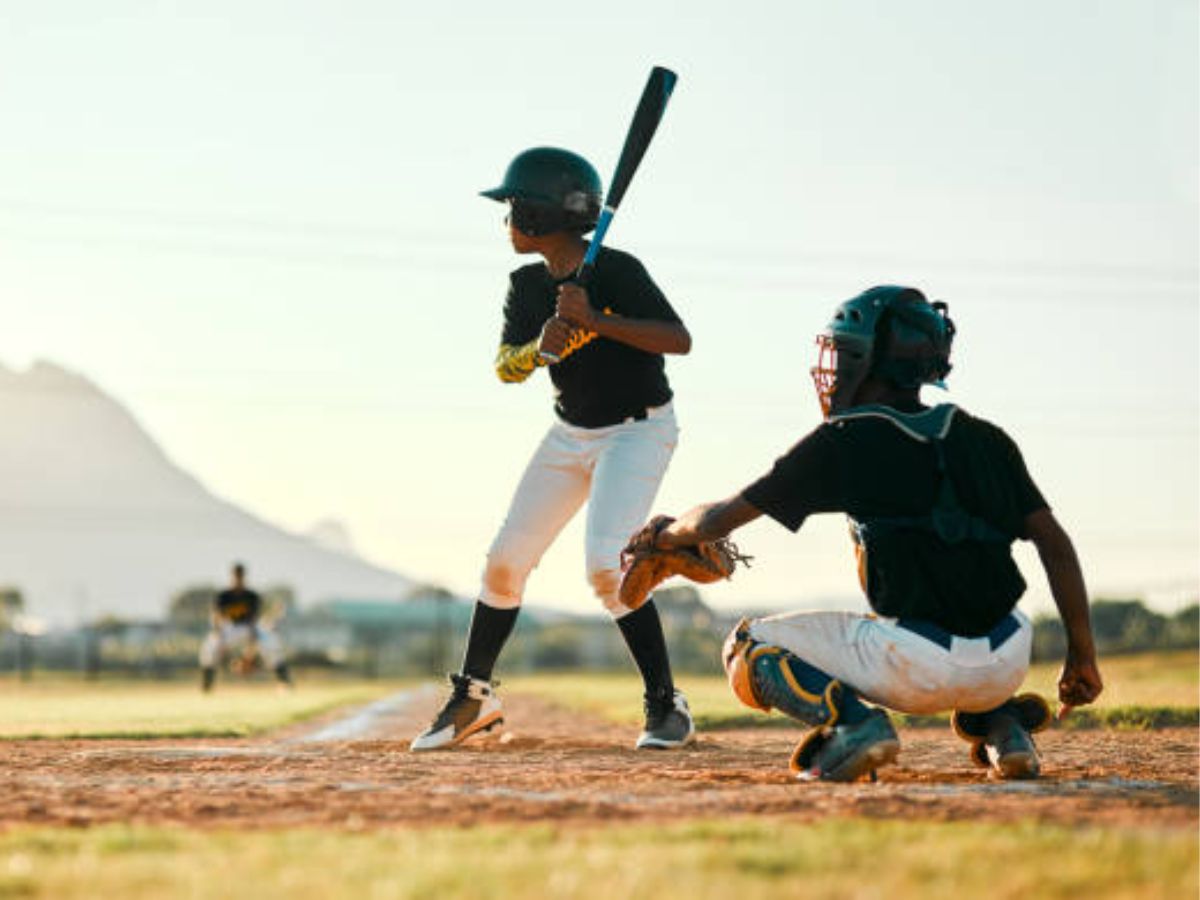
Furthermore, chin music heightens the intensity and competitiveness of baseball, creating an exhilarating atmosphere for both players and spectators. Its significance in the game cannot be overstated, and its appreciation is crucial for truly unlocking the magic of chin music.
Frequently Asked Questions Of What Is Chin Music
What Is Chin Music?
Chin music refers to the practice of a cricket bowler purposefully intimidating the batsman with verbal taunts and banter.
Why Is It Called Chin Music?
Chin music gets its name from the close proximity of the verbal taunts to the batsman’s chin. It is intended to unsettle and distract the batsman’s concentration.
How Does Chin Music Impact The Game?
Chin music can have a psychological impact on the batsman, potentially making them lose focus and affect their performance. It can also create tensions between teams and add excitement for the spectators.
Is Chin Music Allowed In Professional Cricket?
While some forms of aggressive verbal taunting are penalized in cricket, there is no specific ban on chin music. However, excessive and personal verbal abuse can result in penalties or fines for players.
Conclusion
Chin music is a fascinating and unique aspect of the game of baseball. It refers to a pitcher’s strategy of throwing high and inside pitches to intimidate and brush back a batter. This technique has been used for decades to disrupt a hitter’s timing and mindset.
While it can be controversial and lead to on-field altercations, it is seen as an essential part of the game by some, adding an element of excitement and intensity. However, it is important to note that the use of chin music should be done with caution and respect for safety.
Players should prioritize sportsmanship and fair play above all. Understanding the nuances of chin music can deepen one’s appreciation for the intricacies of baseball and the mental battles between pitchers and batters. So, the next time you’re watching a game, keep an eye out for these high and inside pitches and appreciate the mind games happening on the diamond.