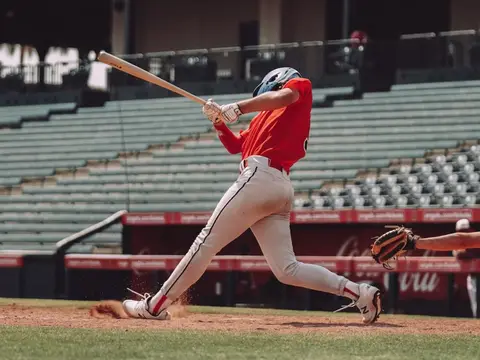
What Is Chin Music in Baseball?
Quick answer
A high, inside fastball thrown near the batter’s chin to back them off the plate, also called a brushback pitch. Pitching inside is legal; throwing at a batter on purpose can get the pitcher ejected.

In this article
Chin music is a fastball thrown high and inside, close to the batter's chin, to back them off the plate. It isn't meant to hit the batter. It's meant to send a message: don't crowd the plate. You'll also hear it called a brushback pitch, "high cheese" or "a little chin music."
Why pitchers throw it
Pitchers want to own both sides of the plate. When a hitter stands close to the plate or leans over it, he can reach pitches on the outside corner and drive them. A pitch up and in moves him back, and the next pitch on the outside corner suddenly looks a long way away.

Pitchers known for working inside, such as Bob Gibson and Don Drysdale in the 1960s, built reputations on it. Hitters knew that if they dug in too close, a high-and-tight fastball was coming.
Chin music vs. a beanball
| Chin music (brushback) | Beanball | |
|---|---|---|
| Goal | Move the hitter off the plate | Hit the batter |
| Where it goes | High and inside, missing the batter | At the batter, sometimes the head |
| Usual result | A ball, and a hitter who backs off | Hit by pitch, warnings, ejections |
The line between the two is intent, and that's why pitches up and in so often lead to trouble. A hitter who thinks he was thrown at may stare down the pitcher, shout, or in the worst cases charge the mound.
What the rules say
Pitching inside is a normal, legal part of the game. Throwing at a batter is not. In MLB, if the umpire believes a pitcher intentionally threw at a batter, he can eject the pitcher (and the manager), or warn both teams that the next pitch like it means an ejection. Leagues can add suspensions and fines on top.
Youth and high school leagues are stricter, because a pitch near the head is dangerous for young players. A batting helmet with a jaw guard is a smart buy for any young hitter facing hard throwers.
Chin music today
Hitters wear more protection now, and umpires are quick to warn both benches after a close pitch, so true brushbacks are less common than in the 1960s and 70s. But pitching up and in is still part of every pitcher's plan, because it makes the outside corner work. It's also tied to the game's unwritten rules about retaliation.

See more slang in our list of baseball terms explained.
Frequently asked questions
What is chin music in baseball?
Chin music is a fastball thrown high and inside, near the batter's chin, to move them off the plate or make them uncomfortable. It is also called a brushback pitch.
Is chin music legal in baseball?
Pitching inside is legal. Throwing at a batter on purpose is not. Under MLB rules, an umpire who believes a pitcher threw at a batter intentionally can eject the pitcher or warn both teams.
What is the difference between chin music and a beanball?
Chin music is meant to miss the batter and send a message. A beanball is a pitch thrown to hit the batter, especially in the head, which is dangerous and can lead to ejections and suspensions.
Why do pitchers throw chin music?
Hitters who crowd the plate can reach outside pitches more easily. A pitch up and in moves them back, which makes the outside corner a better target for the next pitch.